Wasted Talents – 6 February 2026
Steeped in books as I am every day, reading poetry collections, novels, art books, histories, essays and the deliciously uncategorisable, meeting the authors, comedians, composers and painters who wander in, not to mention the many heron photographers who inevitably come in to land, the creativity is almost overwhelming.
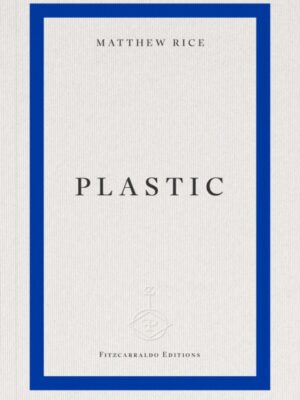
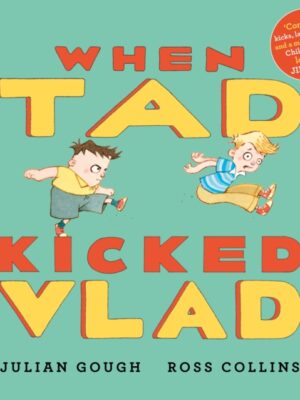
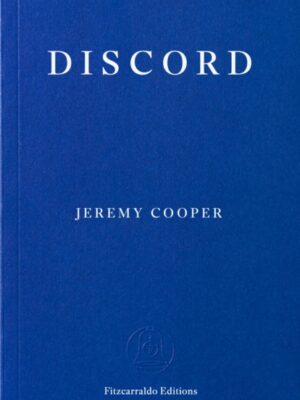
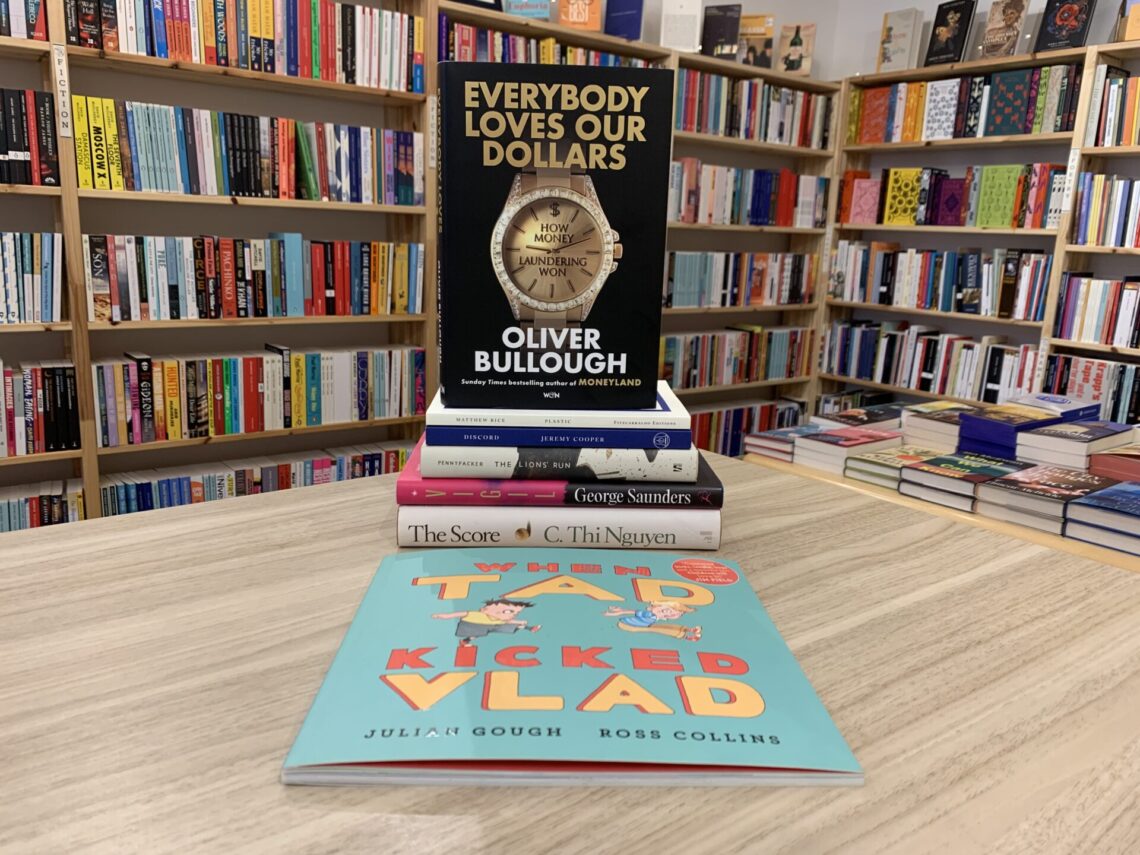
From one box alone this week we unpacked a book-length poem about a twelve-hour shift in a plastic factory (superb), a picture book showing how a moment of frustration can result in a kick being passed around the world, affecting everyone from postmen to presidents to nuns (outrageous, new favourite) and a novel about a composer and saxophonist working together on a piece to be played at the Proms, aiming at greatness and struggling for harmony (discordant, thorny, brilliant).
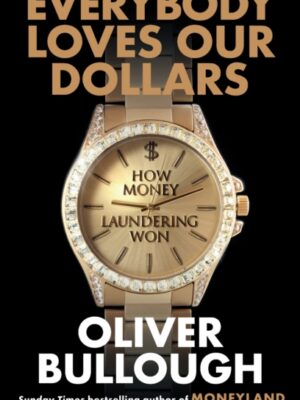
Forgive me for not expecting to find even greater levels of ingenuity in a book which uses the word ‘compliance’ once a page and introduces a new acronym on every few. Yet the money launderers and fraudsters investigated by Oliver Bullough put artists of every kind to shame. These guys never want for inspiration.
Everybody Loves Our Dollars would be important to read, I thought. Something with a couple of good stories surrounded by a lot of detail I can’t hold onto about banking laws and shell companies and cryptocurrencies. Instead, it is electrifying. I’m suddenly interested in VAT, insurance investigators, the FATF, NCCTs and SARs.* Seriously.
There are those anticipated and quotable stories. There is the criminal who drops £12,500 on the way to the bank and goes to the police to ask if it has been handed in. It has and the police duly return it. There’s the chap whose car is stolen while he is asking someone in the bank for help bringing in the weighty boxes of cash it contained. Don’t worry, he was making so much that losing one carful wasn’t an issue. (Meanwhile I get upset if a book gets slightly scuffed.) There are smugglers and drug-dealers paying in several million dollars who fill in the requisite forms with total honesty, writing ‘exporter’ or ‘farmer’ under ‘profession.’ There are companies registered as ‘Company A’ with the owner listed as ‘Company B.’ Guess who the owner of Company B is? That would be Company A. Though it may as well be Darth Vader. Sometimes it is.
These stories – often absurd and brazen – are not the point and Bullough will leave you in no doubt as to what is. ‘Without money laundering, there would be no kleptocrats, no cartels, no fraudsters, no people traffickers, no child pornographers, no illegal trade in wildlife and so much more.’
He is furious at the failures of the systems in place. He is vocal about the solutions – which are clear and well-argued, even if, as political advisers have told him, ‘They won’t gain us headlines.’ We should be too.
And, seriously, I can’t wait for you to find out about MTIC fraud. It became so complex that Bullough ‘can’t help thinking that if its perpetrators had devoted themselves to, say, trying to solve global warming, it would probably be all taken care of by now.’
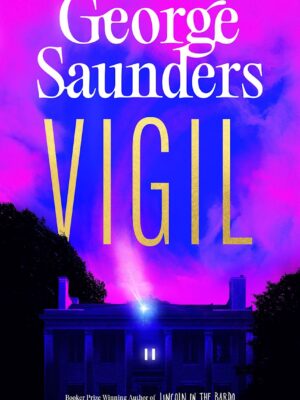
Talking of which, Vigil by George Saunders is about the final hours of an oil tycoon visited on his deathbed by a woman who died decades before but is still here and aims to bring comfort to her dying ‘charges.’ There are others of her ilk with different aims – one hoping that the man will repent (he has a lot to repent of) and a pair who would like to drag him down with them. Think A Christmas Carol without the muppets, if you can.
The novel could be about pointing at an immoral caricature for all he has done to deny and perpetuate climate change. It is far more subtle. The ghosts, for want of a better term for them, draw the focus to questions about fate and determinism, responsibility, triviality and what makes you you.
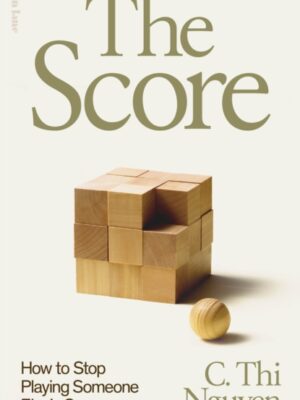
Wondering what matters and what one can do about it, I have just started The Score: How to Stop Playing Someone Else’s Game by philosopher C. Thi Nguyen. He’s obsessed with games – everything from Go to Mario to something called Hyper Light Drifter as well as climbing, inventing new recipes and fly fishing. Nonetheless he’s concerned about the gamification of everything which turns life into metrics imposed by someone else so that now your measure of whether a walk was ‘successful’ isn’t whether you enjoyed it but how many steps you took.
He started studying philosophy because he wanted to know if there was objective morality, if beauty was real, why we trust our moral instincts… As a professor, he got sucked into a world of rankings, proving student success according to graduation rate and speed and his own with ‘small, precise articles on fairly arcane technical questions’ rather than researching what he cared about.
This has major implications. If you had any faith in any large institution** it will quickly turn to despair. But his examples and arguments are playful – everything from what to cook for dinner to whether to take part in that skateboarding tournament is at stake.
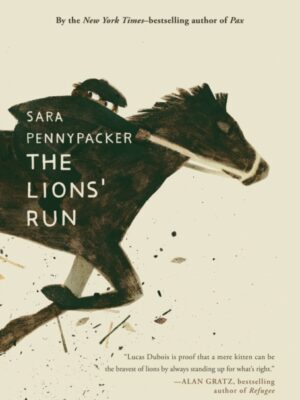
The answer to what really matters, as ever, lies in an exquisite novel (a children’s/young adult book apparently though I would have no qualms about shelving it in our general fiction section), The Lions’ Run by Sara Pennypacker. It is set in Nazi-occupied France and tells the story of a boy who slowly realises the extent of what is going on around him and finds ways to help.
This is really something special. It is surely very hard to combine a story which zooms in so closely on acts of quiet heroism with such care for the huge historical picture and its implications today. And to do so without a spare word whilst appealing to children. Golly.
May your weekend be successful by your own metrics,
Lizzie
*And to think that some of you have these acronyms and more still to discover!
**No data points found.
Featured in the newsletter
-

plastic
£12.99 -
When Tad Kicked Vlad
£7.99 -
Discord
£14.99 -
Everybody Loves Our Dollars
£25.00 -
Vigil
£18.99 -
The Score: How to Stop Playing Someone Else’s Game
£25.00 -
The Lions’ Run
£14.99