Coming Home – 13 February 2026
Mark Haddon grew up in 1960s Northampton, a time of ‘cardiganed grandmothers eating roadside picnics beside Morris Minors,’ Hillman Imps, Ford Capris, budgerigars, tins of Watneys Party Seven, sheets of Letraset and chocolate cigarettes. Images of such things may evoke a kind of longing but not a wish to go back or a real nostalgia, a word that contains within it an idea of homecoming. The household in which he grew up is not a place for which he yearns. His parents wanted the appearance of a ‘normal’ family but were largely uninterested in their children, devoid of love and sometimes cruel.
Yet Leaving Home is a book full of colour – quite literally in the sumptuous photographs, paintings and the author’s illustrations and cartoons which fill its pages, but in the writing too which darts eagerly back and forth throughout Haddon’s life to create a bright quilt.
He is a harsh self-critic, beset by phobias and deep depressions and a dedicated hypochondriac (until he becomes mortally ill and finds that worrying about death was much worse than facing it).
Given this, his capacity for joy is touching and infectious. The way he writes about his wife, his children, the people for whom he has been a carer and his work with the Samaritans as well as his art and novels is so full of love. He is generous to his parents too, offering them far more consideration of who they really were and what shaped them than they ever offered their children. (Despite his huge success as a writer his mother continued to tell him she was disappointed in him; to his sister his mother’s final words were ‘I’ve never believed a word you said.’)
‘Sometimes home isn’t the place you come from and dream of returning to for completion, for safety, for solace,’ he writes. ‘Sometimes home is a place you have to discover or construct.’ He finds home with his family, in certain settings, certain landscapes – a cliché perhaps but well expressed through his captivating storytelling. He only feels at home when he is doing something: running through familiar woodlands; reading Katherine Mansfield so intensely that he enters the story, losing all sense of self and surroundings; writing his own books in the hope of giving someone else that same feeling.
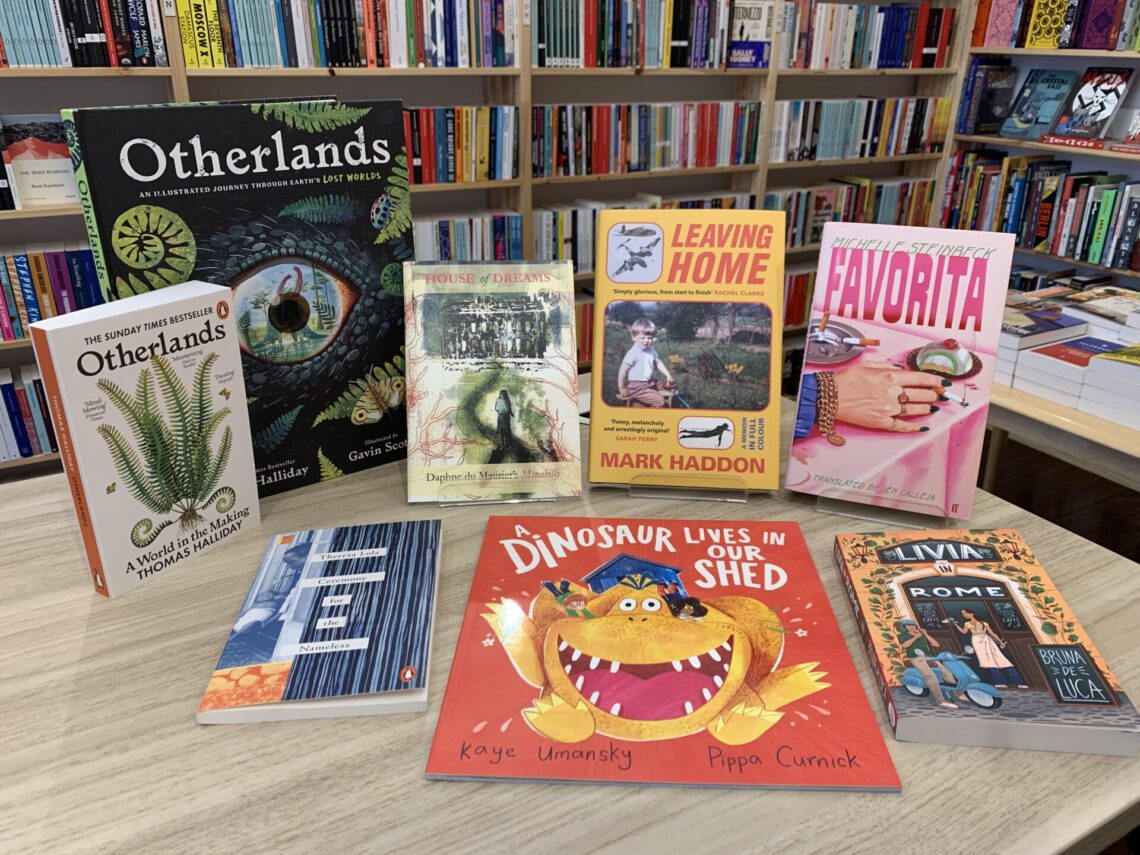
Several of his books achieve this for me – The Curious Incident of the Dog in the Night-Time, of course, but also The Porpoise, inspired by Shakespeare’s Pericles, A Spot of Bother, which had me laughing aloud and now Leaving Home which I think fantastic and has me itching to re-read all of his work with this new context and my mind buzzing with images.
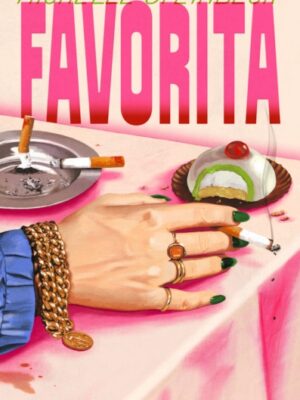
In the meantime, I have been getting lost in Favorita by Michelle Steinbeck, translated by Jen Calleja alongside Fila who is searching for a sense of home and the truth about her estranged mother. The novel begins with a telephone call telling her that her mother is dead and not to believe the doctors about the cause. She has been murdered.
Fila has been brought up by her grandmother in Switzerland, always longing for and refused stories of the Italy which her grandmother left. Now she rushes to Naples to find these for herself. What unfolds is feverish and utterly weird. Imagine the dreams one might have after downing a lot of extremely old Watneys Party Seven with a side of fuzzy chocolate cigarettes…
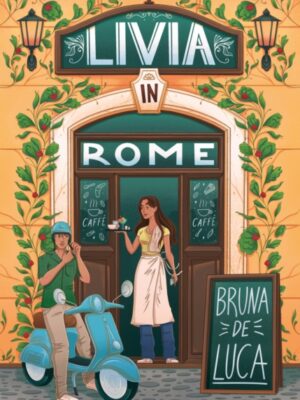
I had a very different Italian experience reading Livia in Rome by Bruna De Luca, a young adult romance full of coffee, Vespas, pasta and a no-nonsense nonna. Livia has grown up in Scotland; she and her mother rush to Rome after her grandmother suffers a fall in order to look after her and the bar she runs. It is sweet as baci, wonderfully warm, dispelling our February rains, and really interesting on language and how it offers a sense of place, heritage and belonging.
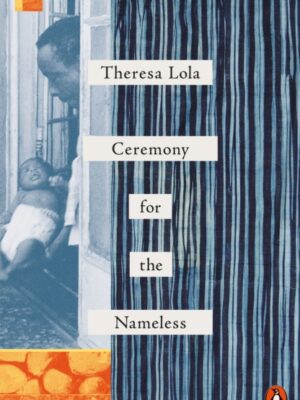
This subject is approached, with more sobriety, in the powerful collection, Ceremony for the Nameless by Theresa Lola. Her poems explore the naming ceremony in Yoruba culture and what names express about where a baby has come from, their home and family, as well as the hopes for who the baby will become. ‘My Name Is My Home’ shows how easy it is to erase someone through mispronouncing their name.
But the poems are also about the naming of institutions and of countries, what these evoke and whom they exclude. ‘Here Stand before Us the North and South’ imagines the naming of Nigeria as a wedding between north and south at which no one is able to object and depicts the resulting turbulent union. ‘Citizenship Ceremony, 2012’ is a letter from the Home Office allowing a migrant to proceed with their life, with provisos including that they sing ‘It’s Coming Home’ sincerely at each World Cup. It is a thoughtful and musical collection (the music, thankfully, lying elsewhere than in Baddiel and Skinner).
While names and homes hold histories, they also spark them. In her pamphlet House of Dreams: Daphne du Maurier’s Menabilly, Louisa Albani explores through art and short essays the house which inspired Manderley, the setting for Rebecca, as well as finding its way into The King’s General and My Cousin Rachel. The pamphlet includes an essay from Maggie Humm exploring how ‘memories encased in architecture’ influenced du Maurier and how Manderley itself drives the plot of her most famous novel. Albani’s illustrations are intricate, impossible to take in all at once. A picture filling a double page of a woman sailing out on ink-dark waters takes one’s breath away.
Offering homes to all who need it, perhaps we could all learn from the children in A Dinosaur Lives in Our Shed by Kaye Umansky, illustrated by Pippa Curnick. When a dinosaur follows them home one day, naturally they take him in. But food, shelter and even trips to the seaside are not enough to overcome his homesickness and longing for his mother. The rhymes are great, the pictures gorgeous (spot the nervous cat and curious pigeons) and the twist perfectly silly.
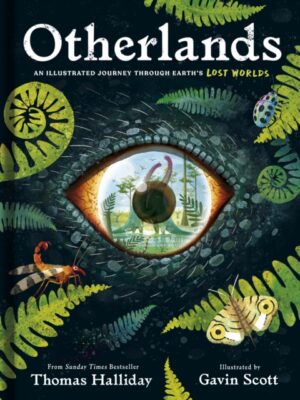
If there is time at his talk on Tuesday, I will check with palaeobiologist Thomas Halliday what I should feed a homesick dinosaur. His Darwin Day lecture, organised by the Bristol Humanists, takes place at the Folk House. I’ll be there with copies of Otherlands, a history of the last 500 million years… as well as the illustrated children’s edition, which is an absolute stunner.
May your weekend be full of colour,
Lizzie
Featured in the newsletter
-

Leaving Home
£25.00 -
Favorita
£16.99 -
Livia in Rome
£8.99 -
Ceremony for the Nameless
£10.99 -
House of Dreams – Daphne du Maurier’s Menabilly
£13.50 -
A Dinosaur Lives in Our Shed
£7.99 -
Otherlands
£20.00