RASCALs – 30 January 2026
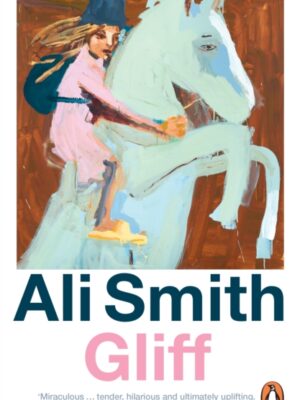
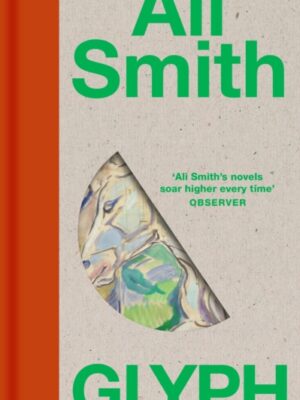
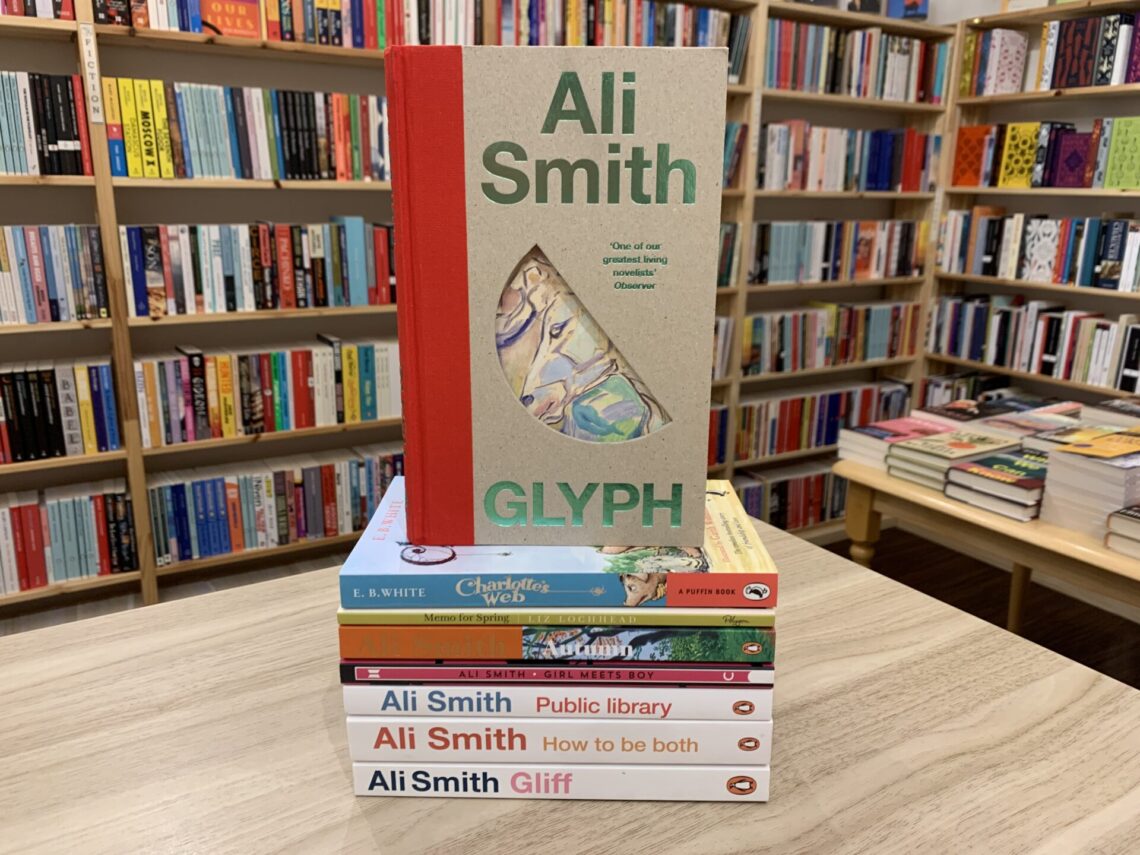
Some months ago I wrote to you of Gliff, Ali Smith’s novel about two siblings and a horse, about home and safety – who is entitled to it and who not. The novel is about much more besides, everything really, from family relationships to children enslaved in dangerous factories, to prejudice and poverty, from the games one can play with language to the hatred that can be created from its misuse. Within its leaves, already bursting with tales, and ponytails, Smith said, lay another story. Having driven myself to quiet distraction in the attempt to discover and solve the clues in Gliff (futile: I can barely complete a crossword), its companion, Glyph, is here.
Gliff was published in 2024 and its near future setting, in which temperatures are rising, surveillance is total and there are no libraries, may be upon us very shortly. Glyph is absolutely of this moment: a sixteen-year-old is arrested for standing in the wrong place with a scarf that looks like a flag; a journalist is murdered by those she exposed; boys bark at their female teacher; politicians pander to cruelty, announce that one thing is another and use fear to justify spending more on weapons.
‘What can I do?’ one character asks. ‘What could I ever do? I phone my sister.’
Not a bad answer. The relationship between Petra and Patricia is fraught but unbreakable. We meet them as children when Petra comforts her sister by making up stories about a man they name Glyph. We meet them as adults, trying their best, though perhaps failing, if not themselves then future generations. Both, by the way, have read Gliff.
Describing growing up with her difficult and wonderful sister, Patricia says, ‘she could take something that was a dead weight in you, I mean in me, and she could give it a story, a voice. And then that dead thing stopped being a dead weight, it came alive, and because it did it started to carry itself. After that, whatever it was didn’t seem so hopeless any more.’
There is hope and power in storytelling. But you do have to use it well; you do have to:
Open your eyes.
Look past yourselves.
See where we are now.
Look what’s happening.
Get to the real story.
This is the demand and the invitation of Ali Smith’s writing. You must keep looking. You will want to since you are going to have a lot of fun. You are on a wild ride, possibly with a horse. You’ll laugh at the puns in spite of yourself. You’ll learn more from a conversation between two children perched on a wall than you ever will from your phone.
You can read Glyph without having read Gliff. I’d love to know the experience of starting with the former. Perhaps if you are lucky enough to have a sister one of you should read them one way round and one the other.
One of Smith’s best books, How to Be Both, comprises two sections, set five hundred years apart. Some copies were printed with the story set in the 1960s following the one set in the 1460s, some the other way around. Of course you can only read it for the first time once. It’s hard to imagine ‘getting’ the story the other way around. You’ll insist that yours is the right way, then realise that the whole point is questioning how you experience art and life and binaries.
If you are not already a member of RASCAL (Readers of Ali Smith Club, All Levels) then one place to start is her short stories. I love Public Library, a collection full of joy which celebrates the transportive power of stories and the place of libraries in changing people’s lives whilst railing against their closure.
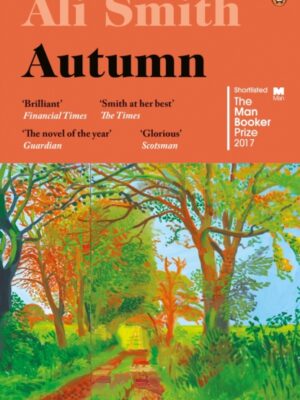
Having said that, I am also devoted to her Seasonal Quartet (start with Autumn, enjoy the fact that it became a quintet) and think you should probably read Girl Meets Boy at least once a year. When you do join, we can play Ali Smith bingo which involves spotting the references across her books to motorbikes, Ovid’s Metamorphoses, garden walls, Barbara Hepworth, pencil sharpenings and The Tempest.
On Ali Smith’s recommendation, I have been reading Memo for Spring by Liz Lochhead, a poetry collection first published in 1972. The poems are full of everyday observations – a grandmother waving to grandchildren who are already looking away, a well-known photograph of a never-known uncle, three women with flaws ‘glossed’ against each other’s sharp eyes – as well as glimpses of romance beginning and relationships ending. They are often funny as well as resonant and lovely to read aloud.
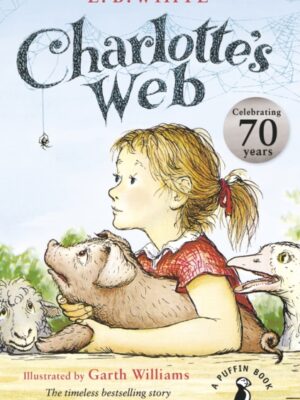
The same article has caused me to return after many years to Charlotte’s Web by E.B. White. I have memories of being gathered round a teacher on Friday afternoons as she read us this story of a spider rescuing a pig intended for slaughter by making him famous. I loved it. But I think it may be even better now, recognising more about the friendship at its heart and seeing it through Ali Smith’s always tender approach to animals, be they horses, talking pigs or literate spiders.
If this isn’t remotely your sort of thing, don’t worry, next week is probably going to be about game theory and money laundering. I like to keep things varied. Might hide another story within it though.
May your weekend be largely horsing around; don’t forget to phone your sister,
Lizzie
Featured in the newsletter
-

Gliff
£9.99 -
Glyph
£20.00 -
How to be Both
£9.99 -
Public library and other stories
£10.99 -
Autumn
£9.99 -
Girl Meets Boy
£9.99 -
Memo for Spring
£10.00 -
Charlotte’s Web
£7.99