The Things That Must Be Said – 8 May 2026
Upon my word, this has been a mighty week in publishing.*
Four books were published this week which I think will stand the test of time. (Not necessarily only four but I am yet to read Asterix in Lusitania, Room For Us All by Lu Fraser, or, um, the new thriller from partners in crime James Patterson and Bill Clinton.)**
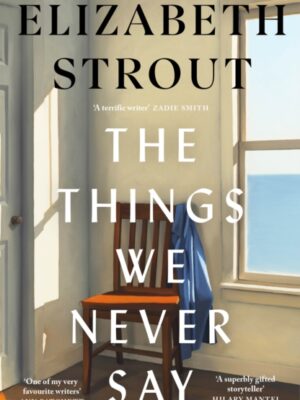
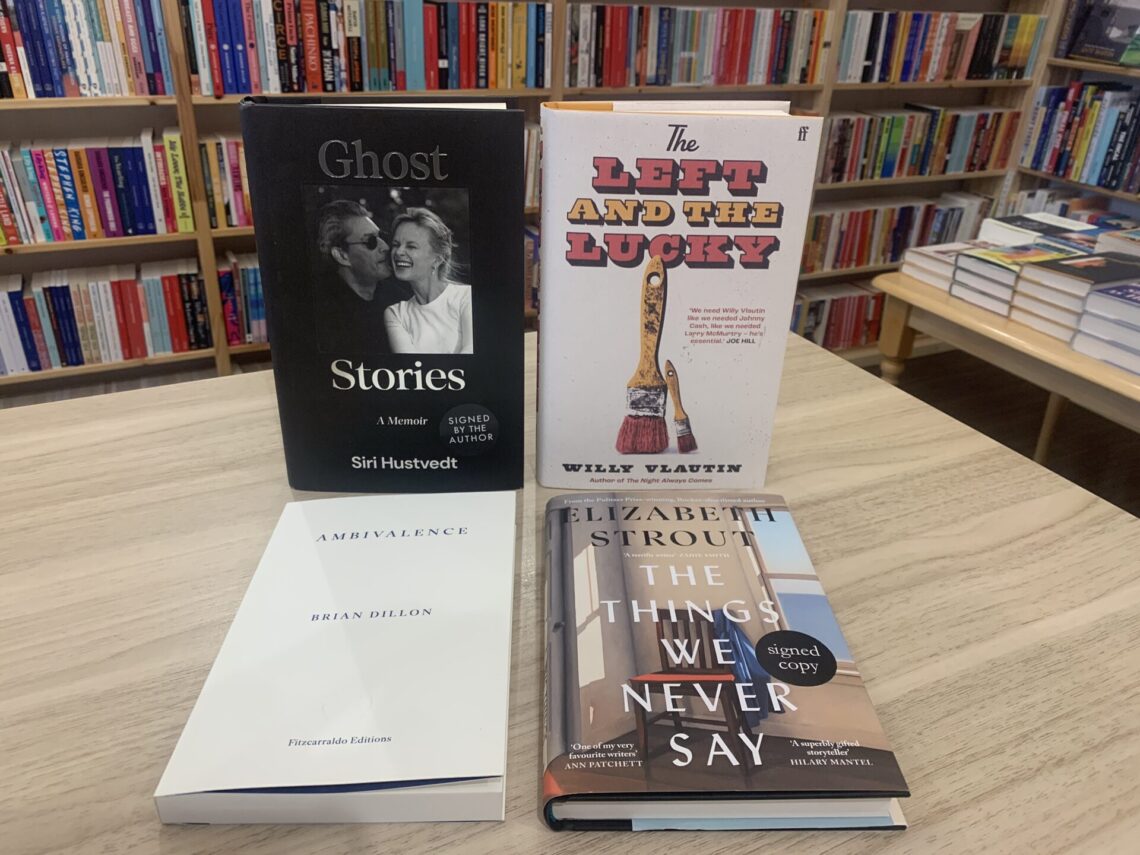
The Things We Never Say by Elizabeth Strout is a short novel about a few characters in a small community. Artie is a teacher who welcomes each new class by asking the students to write about themselves. He wants to know them. Recently students have written of being scared.
It is also a huge novel, about history, people containing universes and what we can do for one another now, as the future implodes.
Here is Artie, despite all his realisations that people do not say things that are real, that people do not ask at cocktail parties if we have free will, or admit knowledge of each other’s affairs or illnesses or children in rehab, or bring up politics and war over lunch, despite his realisation that, ‘It was a private thing, to be alive,’ nevertheless saying to his son, this:
‘“When you were a baby, I can remember”—and this memory made Artie really happy to recall—“I remember so clearly holding you and thinking to myself: I could not possibly love this child more. And then.”—Artie’s eyebrows shot up as he recalled this—“and then all of a sudden it was as though a cloud, a huge billowing cloud, would come right out of me, and it was love, and I would think: Wow, I love him even more! And this happened throughout your childhood. Every time I thought I cannot love you more. I did.”’
Strout is the only living author who can get away with exclamation marks. Upon my word, we all need an Artie.
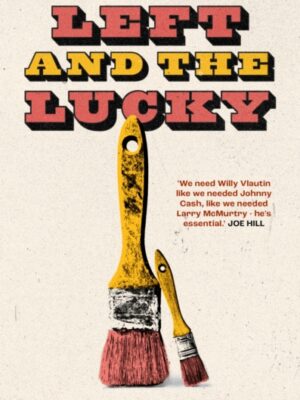
The Left and the Lucky by Willy Vlautin glows with kindness too. Russell’s older brother is a violent, sad bully. His mother works night shifts and her best, if that is what she is attempting, is not good enough. His grandmother increasingly remains in bed, eating sweets and waiting for her daughter to kick her out of her own home.
Russell has an instinct for where to find help but not how to ask for it. When their neighbour Eddie asks him if he is hungry, all he can manage is, ‘I am if you are.’ Between his exhausting days working as a decorator, keeping his alcoholic employee on something like the wagon, fielding calls from a wife who has left him but needs him and looking after his dog, Early, Eddie might find time to be Russell’s sanctuary and saviour.
Something special happens in novels by Willy Vlautin and Elizabeth Strout. They seem somehow to fill you up; I feel like a taut balloon when I go to recommend them. The characters are real. Their lives stretch out beyond the pages and their words resonate long after the book ends. They give you something to believe in.
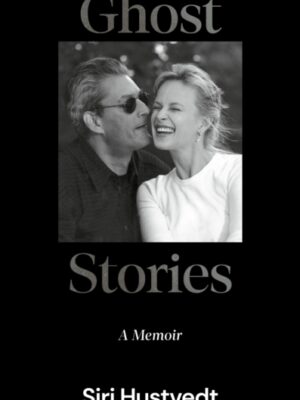
Ghost Stories by Siri Hustvedt is a love story. When asked about their own work, Siri Hustvedt and Paul Auster, both novelists, poets and essayists, would speak of the other’s. Forty-three years together and their admiration and respect seem never to have wavered. Two years on from her husband’s death, Hustvedt’s memoir and their love continue to offer warmth and wisdom.
As she writes, her husband is with her. She can smell cigars though he had not smoked for many years. ‘What to put in and what to take out?’ Hustvedt asks. ‘Paul and I used to discuss writers who were putter-inners and those who were taker-outers. Charles Dickens a putter-inner, and Samuel Beckett a taker-outer. Sometimes it’s important to speak, and sometimes it’s wise to keep your mouth shut. It’s not always easy to determine which is right, either. This book is an act of both.’
What she does put in is Auster’s letters to his grandson. Miles was born a few months before he died. Auster began a series of letters he would never finish. In one he explains their choice of names as grandparents, why they wish to be Mormor and Papa to him, the heritage and generations that came before. He wrote, “All I ask of you is to think about these continuities, the links in the chain of love forged over these years and to understand how much your mother is loved by her mother and father and how much your own mother and father love you.”
What to put in. Love, it seems. Respect for what each other had to say. And a healthy number of references to Tom Waits too.
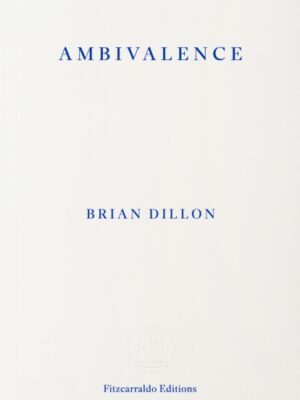
Ambivalence by Brian Dillon is the story of his education. It is an education through reading, his schoolwork, never well attended to, being abandoned altogether when his mother died. It took him years to recognise what he was pursuing in reading everything on his father’s shelves, as well as the books he read standing up in the library, too embarrassed to borrow them. It took more years before he decided that he had not been really reading, meaningfully, and to realise the seduction of doing so and his desire to write in response.
Dillon’s writing is transformative, hypnotic, a book of image upon image upon image, a unified collection of ruptures, to paraphrase his own writing about Virginia Woolf’s The Waves, which has shaped his life and work for years. Upon my word, I feel no ambivalence about his insight and his skill in elucidation.
May your weekend swell with mighty books,
Lizzie
*I am bringing back ‘Upon my word.’ Newsletters over the last couple of weeks (here, then here) may indicate why. It is a phrase scattered throughout Austen’s novels, employed to greatest effect in Emma. Many of the characters make me smile when they use it in addressing others and in little asides to themselves. With Mr Knightley it initiates one of those delicious moments when Emma is to get a telling off. Miss Bates, that ‘great talker upon little matters,’ uses it four times in one speech. When Mr Weston defends his inability to reveal some terrible news saying, ‘Upon my word,’ Emma cries out ‘Your word!—why not your honour!’
** I say ‘yet’. One of these might be skippable.***
*** I have just now read Room for us All. It’s a perfect picture book about squirrels, in particular one called Pam.
Featured in the newsletter
-

Ambivalence
£14.99 -
Ghost Stories
£22.00 -
The Things We Never Say
£18.99 -
The Left and The Lucky
£16.99