Dear Historians – 15 May 2026
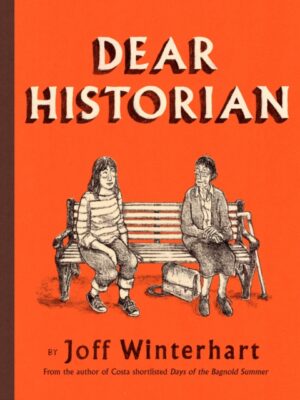
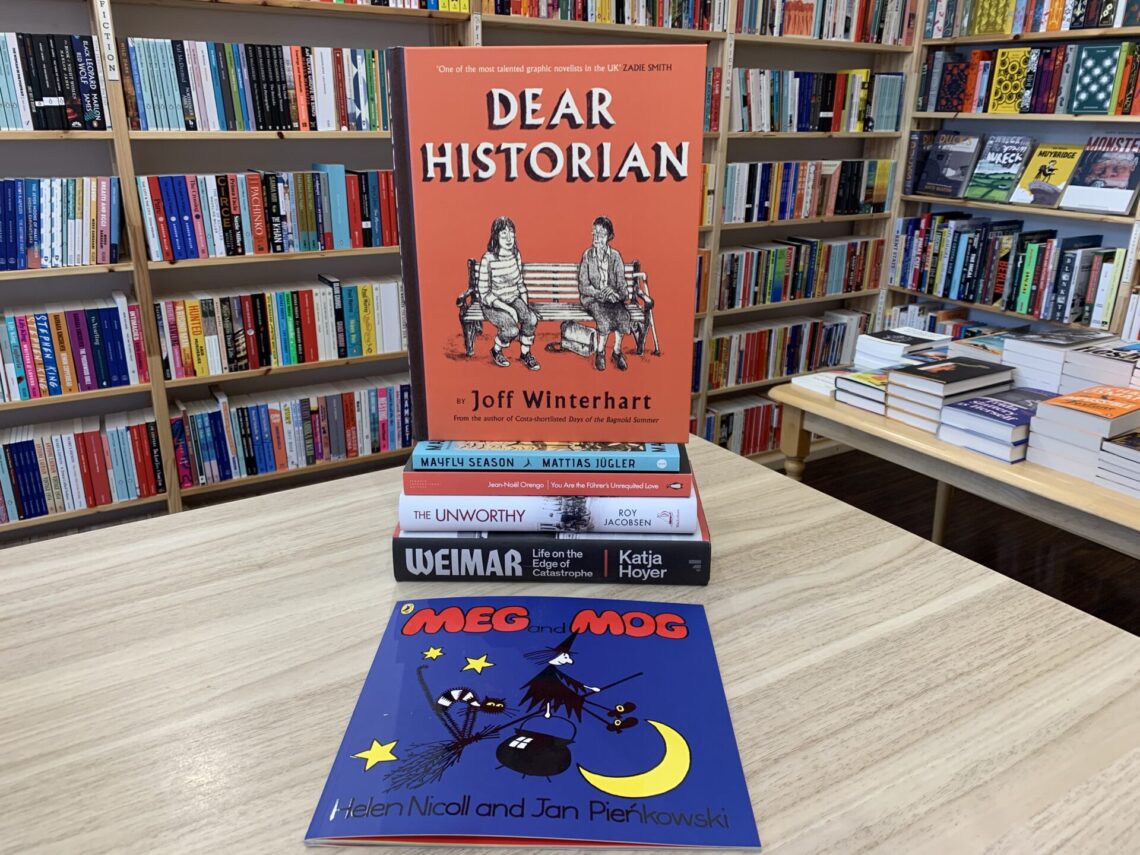
In Dear Historian by Joff Winterhart, the academic Margaret Crypt is courted by a television production company, Giant Past, run by the self-obsessed if charismatic ‘personality’/historian Allan Hands. Margaret thinks the work of a historian involves removing oneself as much as possible, being secondary to one’s subject. Allan, who likes dressing in period costume and crass puns, disagrees: his role is central.
When she begins speaking about her interests, Margaret transforms from a nervous, barely noticeable elderly woman into an enchanting and compelling figure of erudition. Television gold, one young producer thinks. Dear Historian explores their relationship with tenderness and humour (and much else which we look forward to discussing further on Monday) while quietly asking how we tell history, to whom, why it matters.
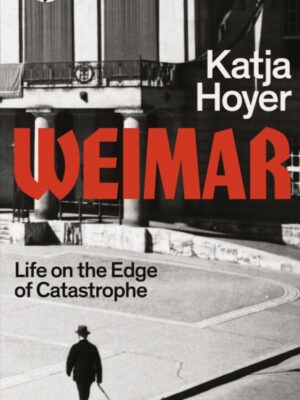
Weimar: Life on the Edge of Catastrophe by Katja Hoyer answers by focussing on one place and the lives of a few individuals who lived there through the interwar years during the creation of the Weimar Republic, the birth of the Bauhaus movement, the first Nazi party rally and the building of Buchenwald. The candid diaries of a local bookbinder are one source – his focus is on daily concerns, his family, a good bratwurst, enjoyable walks in the countryside; he rarely writes of elections or violence in the streets, until new laws and the way that children are educated begin to affect him directly.
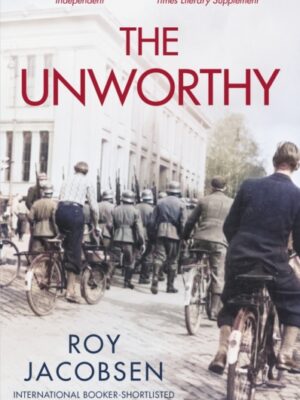
The Unworthy by Roy Jacobsen answers with an intricately plotted yet simply told story, a novel about a gang of children living in a working-class area of Oslo. When it opens, Carl, Olav and their friends are fixing up a bicycle they just happen to have found. It is definitely not stolen. We see them in a glorious summer, stealing fruit, vegetables, fuel, newspapers, even skis, anything they can lay their hands on. There would almost be a golden, high-jinks, Just William colour to it all – and they are as funny as Richmal Crompton’s Outlaws – were it not for the reason. They live under Nazi occupation and they do everything for their families. Their mothers are queuing, always queuing. Their fathers are enigmatic. Their young siblings are hungry.
The boys, and they are still young boys, lose parents, risk everything, are beaten and imprisoned and face the utter confusion of living through a war, with no one speaking about what is happening. What is unsaid between characters, undepicted on the page and unexplained to future generations is nevertheless here. And when it is over? Will they ever understand what happened, what they did, what drove them and if it was right?
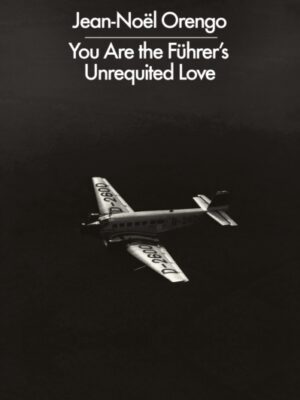
You Are the Fuhrer’s Unrequited Love by Jean-Noël Orengo uses fiction to pull the mask away from the historical accounts of Albert Speer, Hitler’s architect, his Minister of Armaments and War Production, a man who claimed ignorance of the atrocities, the camps and the genocide, and went on to write bestselling autobiographies.
‘Now, it would be tempting to add the last piece to the chessboard of this story, the one which, more than any other, depends on who is telling it and how it is told,’ Orengo writes, the novelist entering the narrative, interested, like Speer, in the power of stagecraft. ‘Journalists conduct counter-investigations, and in the case of Speer, it is necessary to conduct a counter-fiction, a fiction that duplicates the one constructed by a historic person from real facts in which they have played a role.’ But Speer is always one step ahead, disguising his actions, setting traps.
This is a novel, pacy, thrilling, peculiarly romantic and often unnerving. It is also something else – an investigation, a philosophical reckoning, a disentangling of archives and lies? It is one of the most intelligent and intriguing things I have read.
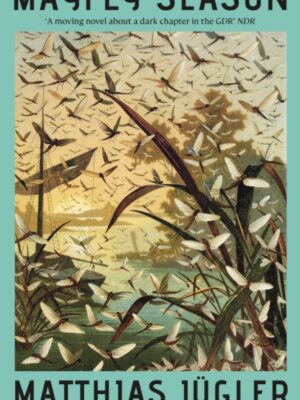
Mayfly Season by Matthias Jügler is pure emotion, a man looking back at what happened to him, his wife and his child under the GDR without finding reason or sense. It is a hypnotic novel, inspired by Jügler’s conversations with journalists trying to expose faked infant deaths and forced adoptions in East Germany, a reality from which the authorities are still turning away. It is not written as a grand quest to expose a conspiracy. Instead, it is a powerful setting down: here is my story, this happened, pass it on.
I have been finding out more about the story of illustrator, set designer and author Jan Pieńkowski, who was three years old when the Nazis invaded his home of Poland. He and his family fled across Europe, eventually finding a home in Britain. Monsters from folk tales and from his own history are rendered powerless in his creations, not explicitly but their effects are there. Through his pop-up books, one can face one’s fears.
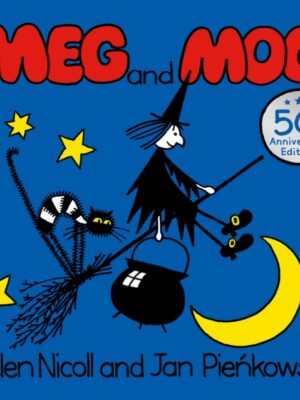
The Meg and Mog picture books created with writer Helen Nicoll (apparently in a collaboration which took place in a service station off the A4, with Jan arriving for their meetings early to put flowers on the table) are lovely. Meg is a witch. Mog is a cat. Meg’s spells tend to go wrong. Mog is less than helpful. Despite disasters involving teapots, gardening, woolly mammoths, mountaineering in the fog, and trips to the zoo, school and outer space, the day will always be saved.
May your weekend be similarly dependable,
Lizzie
Featured in the newsletter
-

Mayfly Season
£12.99 -
Dear Historian
£20.00 -
You Are the Fuhrer’s Unrequited Love
£14.99 -
The Unworthy
£22.00 -
Weimar
£30.00 -
Meg and Mog
£7.99