The Easter Parade – 3 April 2026
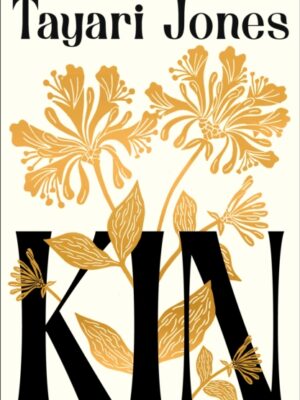
Vernice and Annie are getting out. Vernice is bound for college in Atlanta – all very proper and with the approbation of the good people of Honeysuckle, Louisiana. Annie for Memphis, without a goodbye and as fast as her possibly-boyfriend’s erratic car will allow.
Born in 1941 within days of each other, they have been tied together ever since. Vernice’s mother was killed when she was a few months old. Annie’s left. The former was raised by Aunt Irene, her own breakout thus curtailed, the latter by her grandmother, a woman never able to escape the maternal role as her own children leave behind theirs.
They are getting out separately but their bond is stronger even than that of sisters.
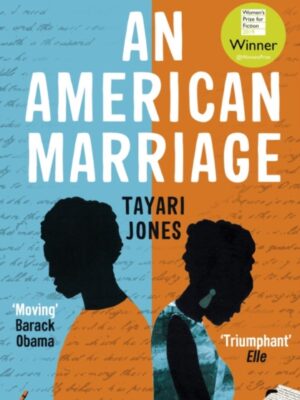
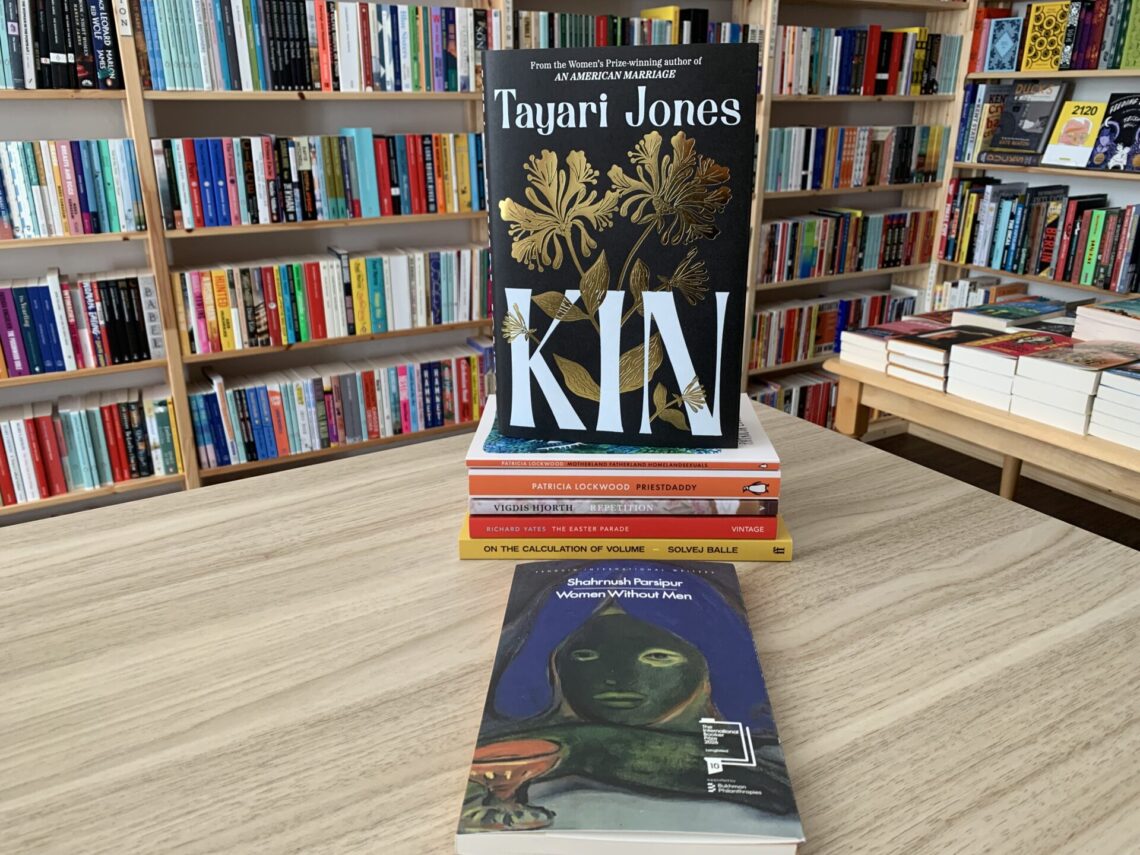
Kin by Tayari Jones is one of the books I have been most anticipating this year. I loved An American Marriage, a novel that puts you in the heads of its three main characters so completely that years on I can hear their voices, their turns of phrase, their compassion and their rage. Kin is just as moving and perhaps more ambitious in scope, particularly in its exploration of class in the American South in the 1940s and 50s.
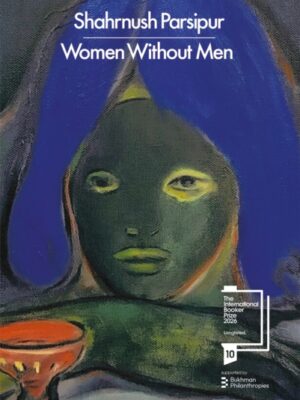
After reading Kin, I met women who largely lack the means of escape, whose lives become entangled in Shahrnush Parsipur’s Women Without Men. This has just been translated from Persian by Faridoun Farrokhbut was first published in 1989 and has been banned in Iran ever since. The women, from very different backgrounds, are never safe, especially in their own homes. Yet there is the most amazing delight in this novel, which runs an unexpected course. If you would have liked some of the heroines of Ovid’s Metamorphoses to have more say, this may be your tonic…
Something about the time of year, or thoughts of American marriages and characters trapped in their decided roles, led me finally to read The Easter Parade by Richard Yates, the story of two sisters living largely disparate lives, even from early childhood.
As in Kin, class, family ties, ingrained expectations of women and the possibilities and prejudices of post-war America are explored. As in Kin, I knew these sisters intimately. And, as in Kin, I feel that I have read something unbelievably beautiful while taking a punch in the gut. Which is what I wanted, Easter-chocolate consumption notwithstanding.
In Vigdis Hjorth’s Repetition, translated by Charlotte Barslund, I met a woman in a Nordic cabin coming to realise the ways in which her novels have never quite escaped a story from her own childhood. She returns to her sixteen-year-old self, to a home that is not a haven, and explores the power of a memory held in her body which she must draw out in order to put an end to its echoes. Though one could argue that in a sense the novel only has one character, I was struck not by her loneliness but by the feeling of her reaching out from the pages to her reader.
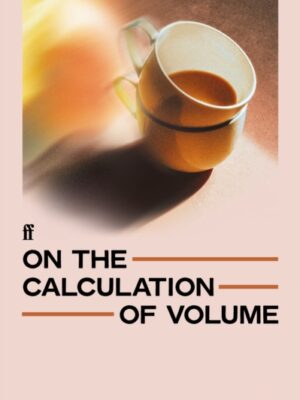
While this woman seeks to free herself through repetition, guess who is still stuck… Our old (ageing?) friend, Tara, the heroine of Solvej Balle’s On the Calculation of Volume series, remains in the eighteenth of November.
I am in danger of repeating myself when I say how excited we are about part IV which comes out next week. We are so looking forward to it that we are having a party next Friday. Those who have read books I-III are warmly invited to join us for an agitated and (time-)loopy discussion of what we expect from the next book. You can pick up the fourth instalment then (disappearing Roman coins will not be accepted as currency). No spoilers are permitted. Don’t even read the blurb. There are a couple of spaces left – please get in touch if you would like to attend.
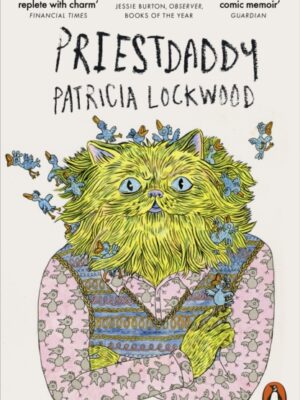
Amongst all of this, I have come happily unstuck with the riotous Patricia Lockwood. At a book club this week, we enjoyed a brilliant discussion of her memoir Priestdaddy, in which the author and her husband are forced to move in with her guitar-playing, inexplicably-oft-undressed but not defrocked Catholic priest father and her risk-averse but accident-prone mother. Also present is a seminarian both afraid of and fascinated by the heathen Patricia and what she might teach him.
Most of it is unrepeatable so I have been reading sections out to anyone who stands still for too long. I should give it a rest for Good Friday. I probably won’t.
Lockwood’s poetry collection Motherland Fatherland Homelandsexuals is, if possible, even more energetic. Her writing is a high-wire act – appearing easy, free-flowing, risqué and wild, whilst being serious, dangerous and controlled. Having said that, I cannot even quote half the titles here. I look forward to your discovering them too.
As you may be able to tell, I have had the sort of week where (even more than usual) I cancel plans in favour of getting stuck into several books. May your weekend permit similar behaviour,*
Lizzie
*We are open as usual throughout so no excuses.
Featured in the newsletter
-

Kin
£18.99 -
Women Without Men
£12.99 -
On the Calculation of Volume IV
£12.99 -
Repetition
£10.99 -
Priestdaddy
£12.99 -
The Easter Parade
£9.99 -
An American Marriage
£9.99 -
Motherland Fatherland Homelandsexuals
£8.99