Maigret, Murder and Mushrooms – 23 January 2026
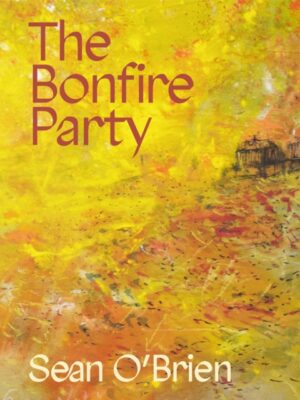
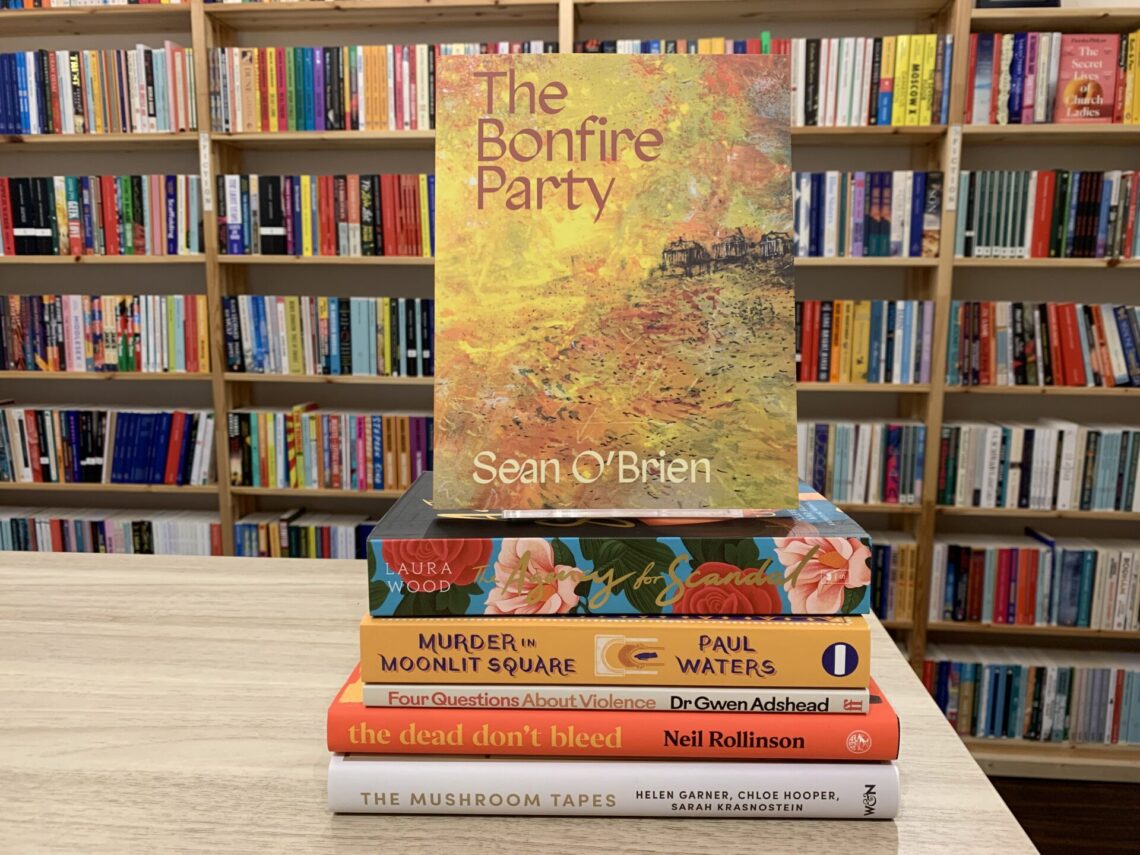
The middle section of Sean O’Brien’s poetry collection, The Bonfire Party, is dedicated to Jules Maigret. Yes, that Maigret. Fictional creation of Georges Simenon, ageless inspector, pipe-smoker, bearer of a greatcoat and great humanity upon his broad shoulders.
The poems are full of the canals, doorways, trains and atmosphere of the novels. They explore the resolution that each book offers, ostensibly, though there is more to the picture of the Inspector and Madame sitting together peacefully at the end of the day, a crime solved, a drink poured. O’Brien writes:
The iron certainty that while the truth will out –
sing up, my friends, we are the policemen’s choir –
the facts alone cannot explain desire.
That question of desire, of loss and motive, of the things that can’t be wrapped up neatly, imbues the whole sequence, indeed the rest of the collection too. It is marvellous, however well you know Maigret, full as it is of dubious characters, rich scenes and a sense of something past playing out now.
The book is named for Ravilious’s watercolour 5th November 1933; the title poem engaging with the ecstatic and dark revelry of that painting is extraordinary. In both the painting and the book, a view captured is also precarious, a moment resonates for decades and the effects of war are felt far into peacetime.
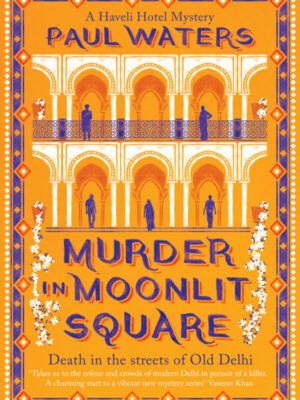
But don’t let that prevent you having excellent fun with a crime thriller featuring, like a Maigret novel, smoking, murder, sartorial comment and nuns. In Murder in Moonlit Square by Paul Waters, Sister Agatha Murphy and Avtar Mehta meet round the back of the latter’s hotel, each seeking somewhere private to indulge their appalling/pleasurable/ungodly addiction. Occurring a few feet from the smokers are a lingerie theft and a murder.
The two join up to investigate, attempting to stay ahead of the untrustworthy police. One capers with them across the streets of Delhi, pausing regularly for cigarettes and chai.
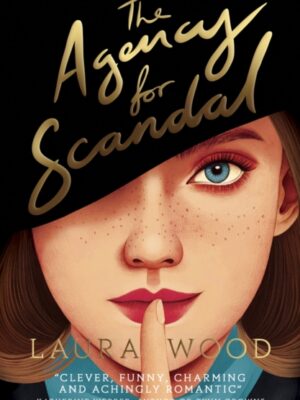
Also stimulating, I have delighted in the mixture of espionage thriller and romance offered by Laura Wood’s The Agency for Scandal, a young adult novel which I recommend to all who have no intention of growing up too much. I picked it up thinking I would have a quick look and was still reading several hours later.
It is 1897 and Imogen Stanhope finds herself recruited to a secret agency called the Aviary dedicated to bringing down powerful and dreadful men. She is thrown into many a perilous situation but none more fraught than attending a costume ball with the very handsome Duke whom she adores… whilst trying to foil a plot and steal some jewellery, of course.
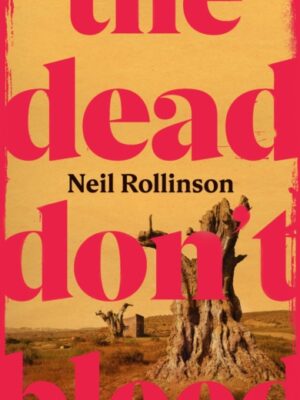
On the grittier side, there was a chapter early on in Neil Rollinson’s novel The Dead Don’t Bleed during which I could not help but picture certain scenes in The Sopranos,* though here we’re in Northumberland with brothers Gordon and Frank who seem doomed to a life of organised crime like their brutal father.
Yet The Dead Don’t Bleed took me by surprise at every turn. What may appear to be a novel about gangsters and vengeance is really about family and trauma, class and education. It is about the poetry of Lorca. It is about the landscape of both the north of England and the south of Spain – scenery unforgiving and desolate and depicted beautifully. It is about the questions that Sean O’Brien asks in ‘In the Zone,’
These are the dead, and yet they live,
and they remember nothing
and say less. I ask you, who is pure?
And how much room does evil occupy?
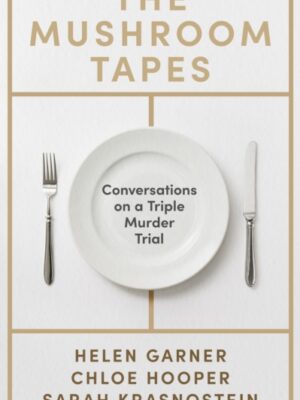
Those lines have resonated too as I read The Mushroom Tapes: Conversations on a Triple Murder Trial by Helen Garner, Chloe Hooper, Sarah Krasnostein. I wondered whether to recommend a book about such a recent crime and the ensuing trial (is it OK to want to read this?) but I do think The Mushroom Tapes is more than a true crime book and at no point is it gratuitous or voyeuristic.
I started it because I so admire Helen Garner’s writing (newsletters passim). I found myself watching three intelligent writers, with journalistic and legal experience, struggle to understand and agree on what they have witnessed in court, consider what ideas and prejudices shape their judgements, ask how little separates them from the murderer and question the morality of their own interest in her and her actions, considering also that same question of resolution as Sean O’Brien does.
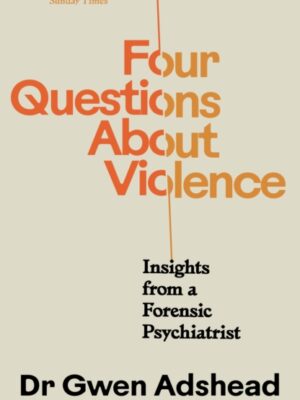
Approaching similar issues with expertise and great humanity, Gwen Adshead’s Reith Lectures, published as Four Questions About Violence, are fascinating and compassionate. I’m looking forward also to her new book coming out in February, Unspeakable: Stories of Survival and Transformation After Trauma by Gwen Adshead.
But, before then, perhaps back to nuns with bad habits.**
May your weekend balance scandal, smoking and Sopranos as appropriate,
Lizzie
* Christopher and Paulie, cold, hapless and with an inconvenient corpse in the Pine Barrens episode, in case you are wondering.
** Sorry. Really, horribly, sorry. I deleted several earlier nun puns. There couldn’t be none.
Featured in the Newsletter
-

The Bonfire Party
£12.99 -
Murder in Moonlit Square
£9.99 -
The Agency for Scandal
£8.99 -
The Dead Don’t Bleed
£16.99 -
The Mushroom Tapes
£20.00 -
Four Questions About Violence
£9.99 -
Unspeakable
£20.00