Herons Can Take Direction – 12 September 2025
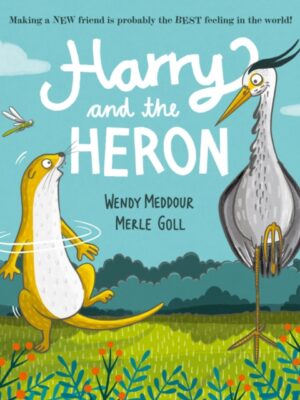
Autumn is here and the pleasing scents of pumpkin lattes and fresh paper must have gone to publishers’ heads for the number of books out this week is, in the best possible way, overwhelming. All-Consuming, fans of Ruby Tandoh may say. Espionage thrillers, epic art and history books, folklore- and mythology-inspired adventure stories and even a picture book called Harry and the Heron have all flown to the shop.
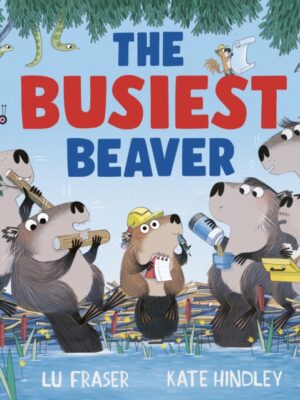
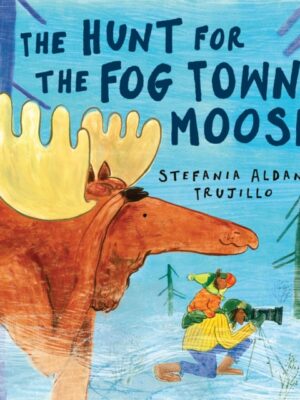
How on earth does one plan one’s reading when unpacking such boxes of delights? I am not able to help anyone decide between The Hunt for the Fog Town Moose, a quest to photograph a master-of-disguise in a foggy town, or The Busiest Beaver, an architectural parable about the power of creative thinking, nor do I think you would ask such a thing of me. Nevertheless, I have attempted some careful selections from the onslaught of new titles. Here goes…
Fiction
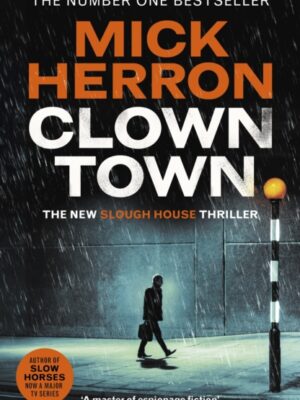
Mick Herron’s publisher was practically skipping with excitement in the shop last week as she told me about the latest in the Slough House series, Clown Town. If you have yet to discover the Slow Horses, the spooks who have screwed up but can’t be fired from the Security Service, I am very jealous that you get to read these for the first time. If you have been poised for the next instalment for months, cancel all plans and get to clown town (/The Heronry).
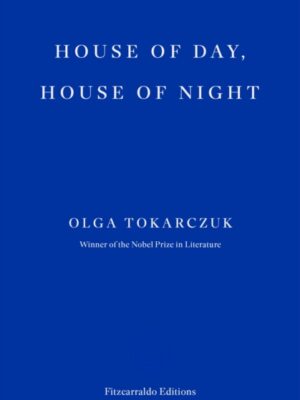
From the malodorous surroundings of Slough House to the porous walls of a home in a small Polish village close to the Czech border and once part of the German Reich, House of Day, House of Night by Olga Tokarczuk, translated by Antonia Lloyd-Jones, resounds with the voices of the living and the dead. Their stories – historical, fanciful, nightmarish, sublime – meld to form an intimate picture of a small community as well as one that radiates across Europe.
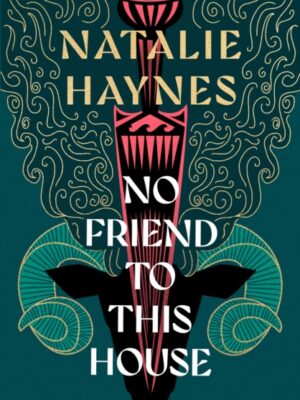
In a crowded Elysian field of classically-inspired stories of dangerous odysseys, wilful gods and monstrous men, all I want is to know if a vengeful witch who murders her children can be redeemed. So I cannot wait to read Natalie Haynes’ novel about Medea, No Friend to this House. If you need further encouragement, listen to this.
Children’s
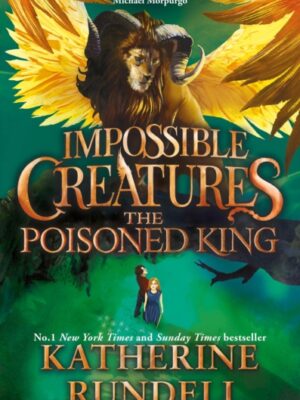
Retribution is also on the cards in The Poisoned King by Katherine Rundell. The sequel to Impossible Creatures begins with a warning: a wronged girl ready to unleash chaos. ‘What’s under your house, if you were to dig? Mud and worms. Buried Treasure. Skeletons. You don’t know.’
I am very excited to be back on the Archipelago where mythological creatures are real and abundant, as is Christopher Forrester who has just been woken by a haughty dragon the size of a sparrow chewing his face…
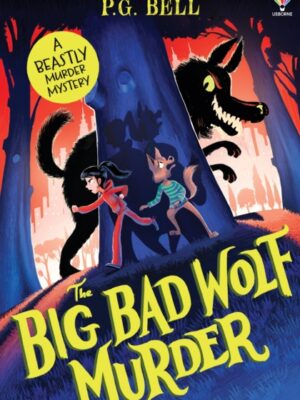
Those with houses made of straw or grandmothers to visit in the forest might think it’s a good thing that Alarick, the big bad wolf, is dead. Not so Ruby Calvino who has just been caught holding a bottle marked ‘Lupix Venenum’ and arrested in The Big Bad Wolf Murder by P.G. Bell. Forced to go on the run and to search for the real murderer, Ruby and wolf-cub Fillan uncover corruption at the heart of Netherburg whilst being chased by an even bigger and badder wolf.
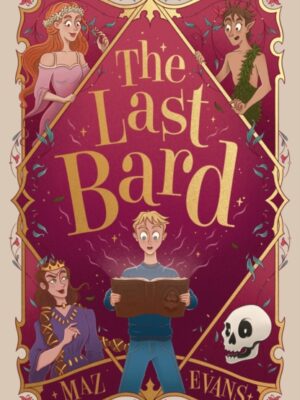
In The Last Bard by Maz Evans, Will and his mother are spending the summer clearing out his late grandfather’s flat when Will finds a battered copy of The Complete Works of Shakespeare. Between the pages are notes, letters and a photograph of his grandfather, the spitting image of Will. Whilst his mother causes much ado and regular tempests in her encounters with the residents of Arden Heights, Will discovers the unexpected powers of a book to bring characters to life.
Non-fiction
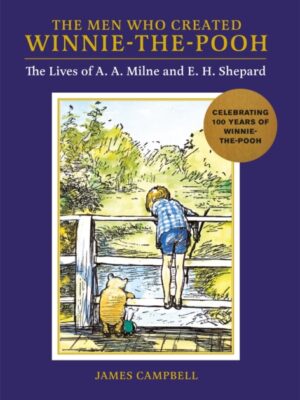
Discovering new children’s books and sharing them with readers of all ages is almost as sweet as the nostalgia felt by picking up an old favourite.The Men Who Created Winnie-the-Pooh: The Lives of A. A. Milne and E. H. Shepard by James Campbell is thus a delicious treat. The first dual biography of the author and illustrator, this is a brilliant insight into how they collaborated as well as the influence of Punch, their family lives and the First World War and its aftermath on their work. The book is beautiful, full of early sketches as the characters began to take form and stunning reproductions of the final versions. Piglet peering out from a window in a tree as the flood waters rise about him is wonderful.
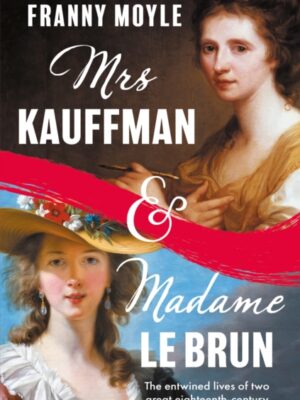
Another exploration of two entwined lives filled with sumptuous art, Mrs Kauffman and Madame Le Brun by Franny Moyle brings to life the stories of Angelica Kauffman and Élisabeth Vigée Le Brun, who met in Rome in 1789. Once highly celebrated, now oft-forgotten, the pair were pioneers in art and in public life. Our event with Franny on Saturday is looking very full but do let me know before then if you would like a signed and dedicated copy. At the time of writing, we are the only bookshop in the country to have copies in…
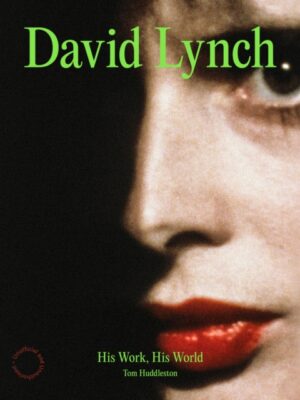
Moving to later art forms, I am looking forward to accompanying Mark Kermode’s Surround Sound: The Stories of Movie Music by Mark Kermode and Jenny Nelson with an appropriate soundtrack. Cue, me feeling all the emotions thanks to John Williams.* For those immediately drawn to the Twin Peaks sections, you must also come in to gaze at David Lynch: His Work, His World by Tom Huddleston in all its green-tinged glory.
All of which is really to say that, in this excessive week of publishing, I am reading a novel which came out a few months ago and which links the creativity explored in the books above, writing, painting, film, photography and composing, via the figure of director G. W. Pabst. The Director by Daniel Kehlmann, translated by Ross Benjamin, is a novel inspired by the man who made Greta Garbo Greta Garbo. He was also the man who left Hollywood for Austria to see his mother at the worst possible moment in history and found himself forced to make films for the Nazi regime.
It sounds silly to claim that reading a book about making films is like watching a film but I can see and hear each scene, from the light shining on the martini glass as it falls into the bone-dry LA grass, to the suitcases seen left in the rain from an upper window of Pabst’s inhospitable estate, from the sickening meeting with The Minister in which truths and desks dissolve to the English prisoner-of-war on the red carpet in exquisite garb lending credence to the regime.
Asked about how strange it is to be making a movie in the middle of an apocalypse, Pabst replies, ‘Times are always strange. Art is always out of place. Always unnecessary when it’s made. And later, when you look back, it’s the only thing that mattered.’ Whether you agree or not, you’ll want to read and think about this book again and again.
May your weekend be directed by books,
Lizzie
*Warning for one customer (you know who you are), there is a section on Under the Skin. I am sorry. Maybe keep Maz Evans next to you as an antidote.
Featured in the newsletter
-

The Busiest Beaver
£7.99 -
The Hunt for the Fog Town Moose
£7.99 -
Harry and the Heron
£7.99 -
The Director
£22.00 -
No Friend To This House
£20.00 -
House of Day, House of Night
£14.99 -
Clown Town
£22.00 -
The Poisoned King
£14.99 -
The Big Bad Wolf Murder
£7.99 -
The Last Bard
£12.99 -
The Men Who Created Winnie-the-Pooh
£25.00 -
Mrs Kauffman and Madame Le Brun
£35.00 -
David Lynch
£35.00 -
Mark Kermode’s Surround Sound
£18.99