The Good, the Best and the Broccoli – 5 September 2025
All good things this week in many forms, from poetry to short stories to a novel, from a picture book about broccoli as well as goodness (as if those are not synonymous), to a board book teaching sign language, to a memoir about mother Mary (not that one). A little evil, a little naughtiness, a little silliness herewith too.
The Greatest Possible Good by Ben Brooks opens with a family in their historic, tastefully modernised, Cotswold house eating a meal together but apart, its members focussed on a book, a podcast, a phone screen and an unsettled housefly rather than each other. Evangeline’s attempts to make her father read her book on effective altruism are rebuffed and she is sent to her room so that Arthur and Yara can confront their son about the two grams of MDMA which have arrived in the post.
No one comes out of the ensuing argument admirably. But over the course of the book and the next few decades, they are all trying to act well, if with very different understandings of what that involves.
The Greatest Possible Good is a clever exploration of inequality and what we owe to each other, a ridiculous family drama and a thoroughly enjoyable read. Goodness factor: 10/10. Serving suggestion: skip the MDMA, enjoy with wine – the Cotswold home is well stocked.
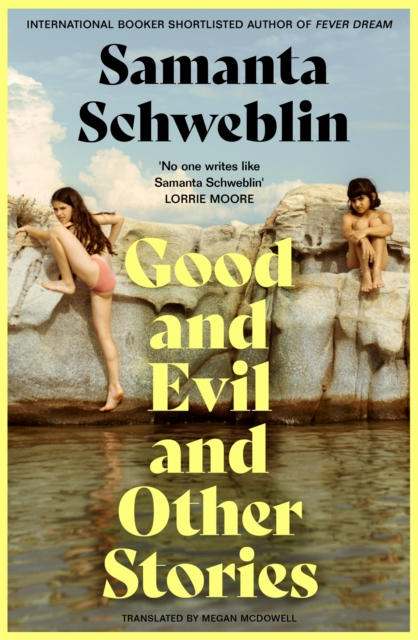
Good and Evil and Other Stories by Samanta Schweblin is a tense collection. A cracking noise in my house made me jump a foot in the air whilst reading one of these. You’ll know which one I mean when you read it.
In another, a young child swallows a battery and is poisoned by lithium. On the cusp of learning to talk, he loses the power of speech. For decades after, the household receives silent phone calls in the middle of the night.
Schweblin’s writing is taut and unnerving but a lot more than that too. Intensity level: turned up to 11. Serve without lithium batteries and remember to take anything fizzy out of the freezer before it explodes.
Chaotic Good by Isabelle Baafi is the sort of poetry collection which makes even those who would never crack a spine, who carry their books in carefully designed pouches to keep the corners pristine and who would not countenance a glass of red in the same room as their bookcases want to cover each page in underlining and notes. There is something about Baafi’s phrases and experiments with form which makes you want to climb into the page with her.
The collection leads you through a separation, partly from a toxic relationship but also from parents and from one’s earlier selves.
‘Let’s redefine the word good,’ Baafi writes in Notes on Modality. ‘I have never given / blood, but I held a bird once until it died. / And a day is only as good as the questions it asks.’ Chaos factor: feverish, but flawlessly married with perfect order. Serve with Turkish delight and baked beans. (You’ll learn why.)
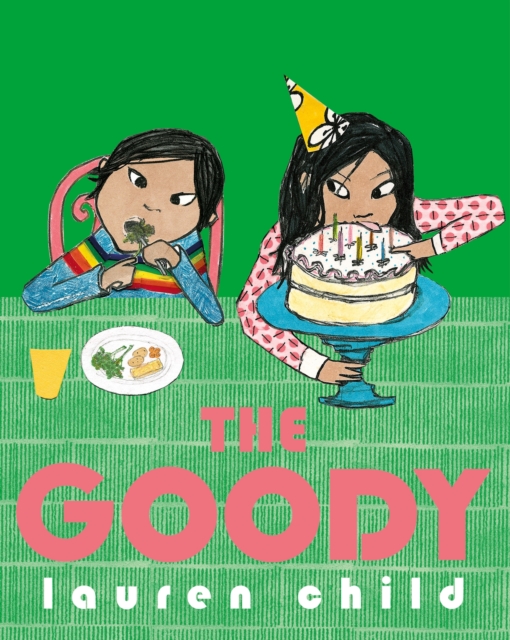
The Goody by Lauren Child is a philosophical exploration of moral, behavioural, intentional goodness and of the nature of The Good itself. It is also a picture book about why one child eats his broccoli while his sister will not. What is so good (is the profound question posed) about being a goody? Broccoli factor: tender-stemmed and perfectly seared. Abandon that and serve with cake.
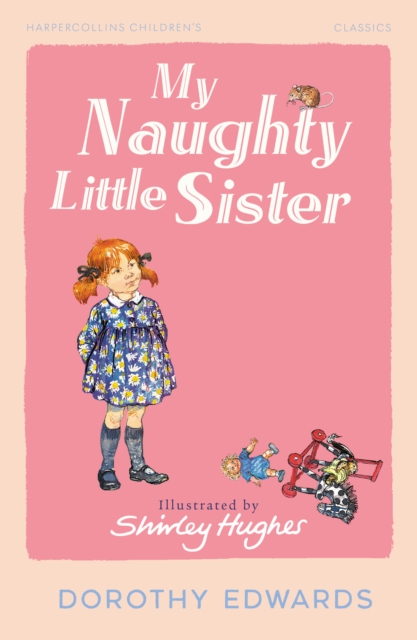
My Naughty Little Sister by Dorothy Edwards explores similar questions from the other side. It is of course a classic; I was reminded of it while perusing A Life Drawing by Shirley Hughes (not currently in print but I found it in the heavenly Bath Old Books, always worth a pilgrimage) whose illustrations are marvellous. My Naughty Little Sister is constantly mischievous and excellent fun. But then, as the youngest in the family, I would say that. Shenanigan factor: peak rascal. Serve with trifle if she hasn’t eaten it all. Oh. She has.
Rose Signs Good Morning! by Rose Ayling-Ellis is a lovely board book, a story that also teaches its readers how to sign things it is important to be able to say in every language: ‘hungry’ features prominently. Morning factor: good. Serve with jam to make it even better.
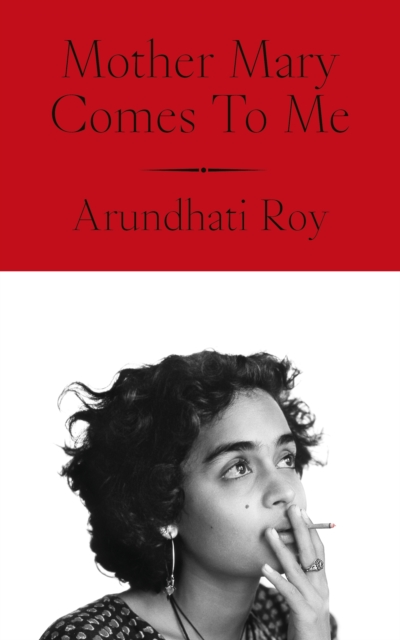
I am currently reading Mother Mary Comes To Me by Arundhati Roy. Roy’s mother, Mary, was harsh, cruel and violent. The great novelist, essayist and campaigner does not have fond memories of childhood nor of her later relationship with her mother.
But Mary was remarkable. Relatives shunned her for leaving her abusive husband; her own brother tried to throw her and her young children out of their home. She kept a roof over their heads despite this and serious illness. She founded a school. She fought a case that went to the supreme court to repeal an inheritance law which took away a daughter’s rights to property. There is a defiant love and respect in Roy’s writing in the face of every reason not to afford these to the woman who showed her nothing of the kind.
But this is Arundhati Roy and alongside a deeply complex personal picture made comprehensible, even beautiful, is a history of political change in India in her lifetime, not to mention an examination of global politics. Portrayal of the power of the written word: the best. See the exquisite cover for a serving suggestion.
May your weekend simply be full of good things,
Lizzie
Featured in the newsletter
-

The Greatest Possible Good
£16.99 -

Good and Evil and Other Stories
£16.99 -

Chaotic Good
£12.99 -

The Goody
£7.99 -

My Naughty Little Sister
£7.99 -

Rose Signs Good Morning!
£7.99 -

Mother Mary Comes to Me
£20.00