The Hero of a Heron – 13 March 2026
Dear Reader,*
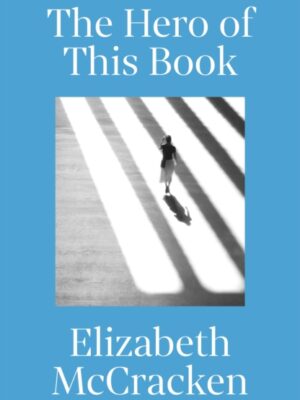
The hero of Elizabeth McCracken’s novel – it’s not a memoir, definitely not; she is clear and unfailingly witty about that; if you want to debate this it won’t be on her time – has very short and very wide feet. She is a twin, she is short, has demanding hair with great character, cannot spell or navigate or whistle and insists that things discovered in her fridge with a use-by date several years ago were bought just the other day.
She liked to sing but could not (tunefully). She loved goats and they her. She was admired and loved by those she worked with and she delighted in her work. She claimed to have invented the mojito. She was a force. She walked. She had to walk. You will understand why.
I switched tenses in describing her, this lively, very present, physical woman to whom you will be drawn, for she has died before the book begins and here her story is also that of her daughter who is walking around London revisiting the places to which they had once gone together.
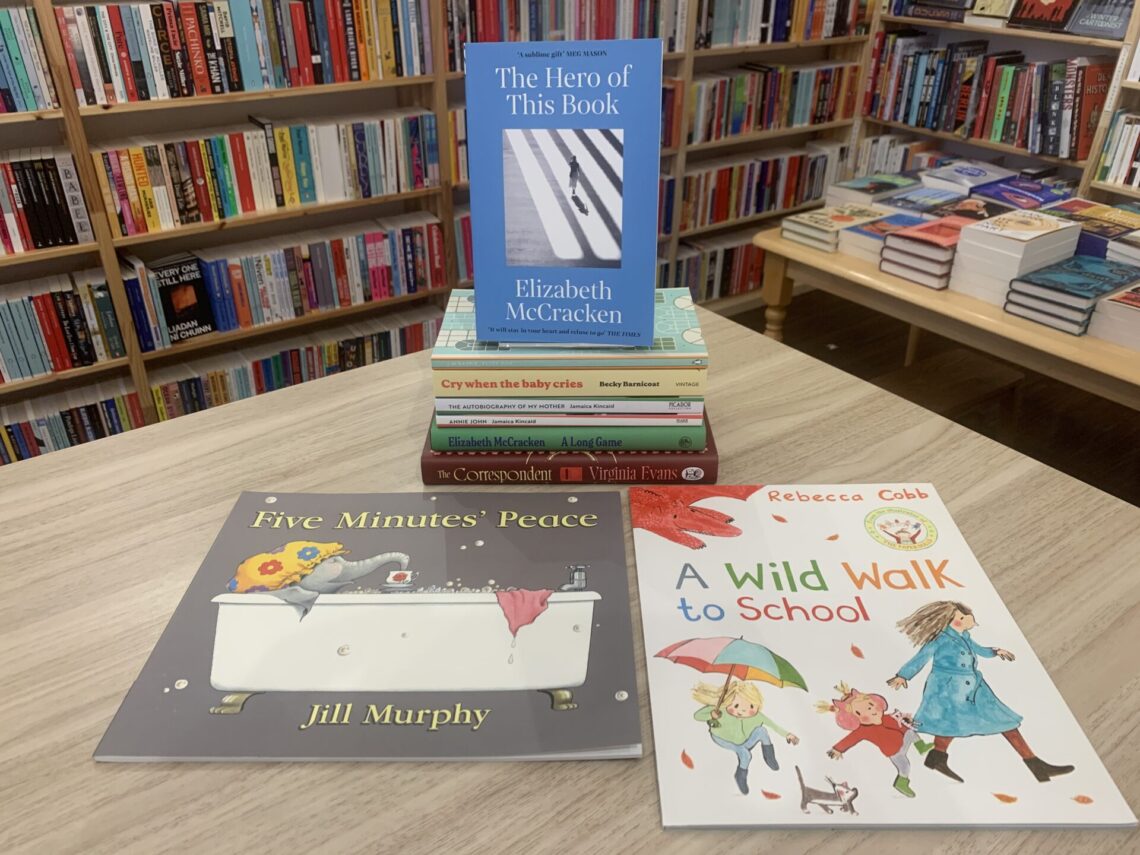
I recommended The Hero of this Book in the newsletter only a few months into the shop’s opening. Returning to it now I love it even more. The unnamed narrator is funny, loving and self-aware, by turns immodest and self-critical. (And, yes, the unnamed narrator is a writer who tells her reader that she loathes books with unnamed narrators and books about writers.)
Her mother would hate this invasion of her privacy but relish being the centre of attention. I should have liked to hear her reading aloud, which she loved to do, and I would have been a little scared to be introduced to her without having paid the proper attention to my attire.
What this book means to me is hard to express. I believe it will mean a great deal to you when you first read it and even more when you return. The author happened to come into the shop a few weeks ago and it happened to be on the day that would have been her mother’s birthday and we happen both to be called Elizabeth so she kindly signed a copy from her and from this Elizabeth to my mother, a hero who also has small feet and who is also often right (but don’t tell her that or that she is not always so) and it happens to be Mothering Sunday in two days’ time so here we are.
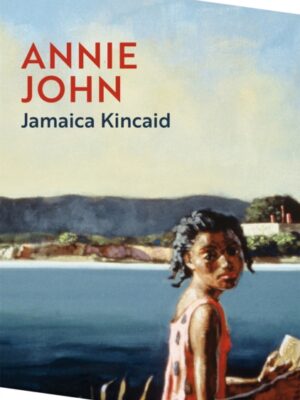
You do not need me to tell you that mothers, even or especially short, small-footed ones, loom large in fiction, as in lives. But it felt fortuitous and right to be preparing for a discussion of Annie John by Jamaica Kincaid in the same week as thinking about The Hero of this Book. Annie John’s mother is statuesque, and the moment that Annie has grown enough to be able to look her mother in the eye is devastating.
Her story of growing up in Antigua, adored by her mother, being the centre of her world until, suddenly, she is not, is a brilliant portrait of the bewilderment, excitement and terror of leaving childhood, of the discovery (and lack of understanding of that discovery) that your mother existed before you and still does exist separately from you even now that you are here, of the longing for independence without allowing that your mother have any, of the misunderstanding of a mother’s motives, of the power of a mother’s oft-told stories and the comments she makes whilst busy doing other things (probably for you).
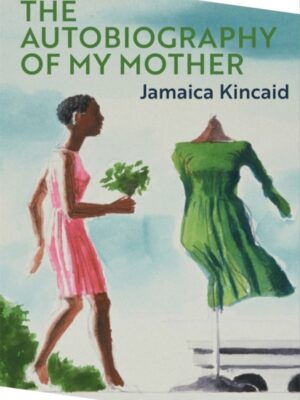
It is an extraordinary novel, one with biographical elements but again you can put aside arguments about the extent to which this matters. It is truthful about many things regardless of fact. I have just started another novel by Kincaid, The Autobiography of My Mother (Fiction, see? Isn’t this fun?), in which a woman looks back over her seventy years, lived with a shadow idea of her mother who died when she was born. The writing is powerful, with time and memory handled deftly, changing pace and texture respectively at different stages of life.
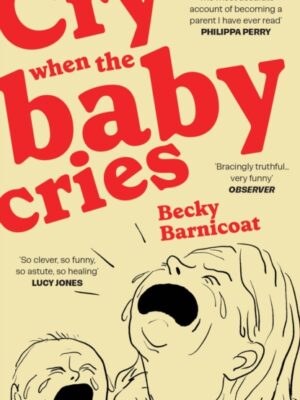
The Autobiography of My Mother may not be the most suitable Mothering Sunday gift but I dare suggest that Cry When the Baby Cries by Becky Barnicoat is, depending on the recipient’s sense of humour. Perhaps the gift would be if all men read it. It is a graphic memoir of Barnicoat’s experiences of trying to get pregnant, pregnancy, birth and the, erm, aftermath.
I laughed a lot. Properly laughed out loud. As well as despairing at the expectations we have of people who are pregnant, in labour, have just had children and have gone through hell to have them and the lack of understanding, support and public bathrooms. Honestly though, it is very funny, insightful and a magnificent combination of illustration and writing to convey something richer than either would have done alone.
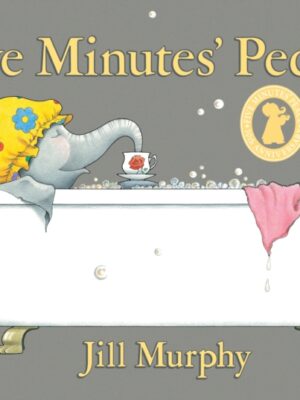
Perhaps mothers on this and every day would like Five Minutes’ Peace. Possibly not what they will get if they own this book because everyone will want it read to them repeatedly. It is a favourite picture book of old but, in case anyone out there is yet to meet the Large family, you are in for a treat. Mrs Large is attempting to secure a moment to herself, just a few minutes in the bath away from the large Large family. Is that so much to ask?
If I could, I would tell her to take The Correspondent by Virginia Evans with her and lock the door. It is a warm epistolary novel about a retired lawyer who writes to her brother in France, her children, the son of an old colleague who is being bullied, Joan Didion, Ann Patchett, Larry McMurtry and, delightfully, George Lucas and they write back. It deserves its own newsletter and many readers and their tears and smiles – it is truly gorgeous.
The mother in Rebecca Cobb’s A Wild Walk to School does get a little time to herself and it turns out that she is just as adventurous, imaginative and dreamy as her children when she is allowed to be.
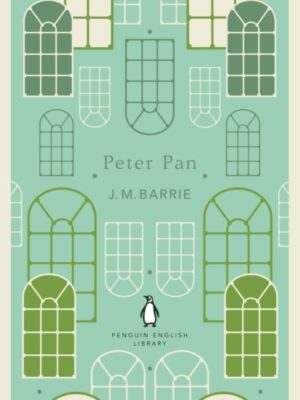
Thanks to references to it in The Hero of this Book, I have just read Peter Pan by J.M. Barrie, I think for the first time. Of course I knew the story. Did I? Of course you do too. Are you sure? I did not remember Mrs Darling tidying her children’s minds each night, the custom of good mothers everywhere, leaving the prettier thoughts aired and ready to be put on the next day nor the unreachable kiss in the corner of her mouth nor how the narrator longs to assure her, but decides not to, that her children will come back.**
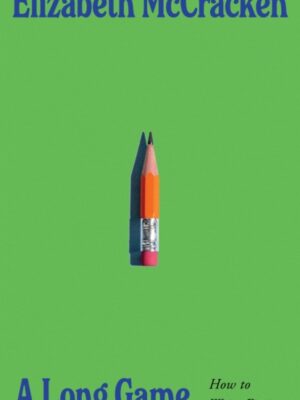
These stories in mind, I have been reading McCracken’s most recent book A Long Game: How to Write Fiction. With years of experience in writing books and teaching creative writing, she begins quite sensibly by explaining, ‘Nobody knows how to write a book.’
There are no rules. Or if there are, they can be broken. Oh, there is one: ‘Don’t use a gothic font to make your work feel spooky.’
Someone with different organisational skills from the author has provided an index. She has amended it. You could look things up but some of the things she suggests you look up are not listed. Reading the advice she professes to be unable to give feels like a series of lively conversations with someone whom you admire whilst also sharing so many in-jokes that the people in the next office might come in to complain about the noise. Like her fiction, A Long Game is witty and intelligent, ambitious and heartfelt. It is so much fun. The writer, she says, wants to be loved and I am happy to oblige.
May your weekend be as full of fun and laughter, perhaps even for more than five minutes,
Elizabeth
*Unless that reader is you, Mummy. In which case please do not read this until you have opened your post. Up to you whether you wait until Sunday or do it now.
** Certainly I had no idea that Tinker Bell is ‘slightly inclined to embonpoint’ and loved discovering this; the fairy’s physicality is marvellous.
Featured in the newsletter
-

The Hero of this Book
£9.99 -
Peter Pan
£8.99 -
The Autobiography of My Mother
£9.99 -
Cry When the Baby Cries
£12.99 -
Annie John
£9.99 -
Five Minutes’ Peace
£7.99 -
A Wild Walk to School
£8.99 -
A Long Game
£14.99