Going to the Dogs – 31 July 2026
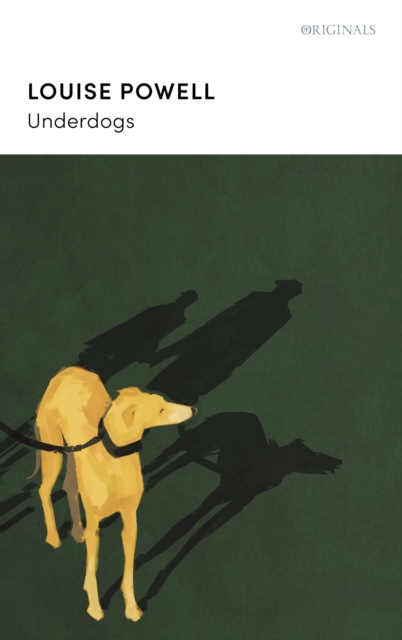
Had you told me that I would find all that’s good in humanity at the racetracks in January in nineties County Durham, I may have been a little doubtful. But Louise Powell’s novel Underdogs offers just that. Admittedly there are a fair number of fights, dirty dealings and no small element of tragedy yet the story of this impoverished, rain-soaked world told by ten-year-old George shines as brightly as Goldie the greyhound’s gorgeous coat.
Goldie will save George and his father Reg from homelessness and hunger. All they have to do is pretend that she is their dog and follow the instructions of her real owner, Bertie, when entering her into the races. It should be simple. It won’t be.
Bertie is the most noble of criminals, as kind-hearted as A. A. Milne’s Piglet, bound by a code of honour as rigid as Tony Soprano’s and about as subtle as Willy Wonka: everything from cupboard handles to belt buckles is adorned with gold greyhounds.
The scenes at the tracks are fantastic – lively with ferocious bookies, antagonistic punters and children learning arithmetic and justice from both. The novel does not conform to type: Bertie’s wife Moira is a formidable heroine; father figures are tender; the children are cunning as well as vulnerable; no dogs are harmed. This is a warm community of people looking out for one another. If that sometimes means someone else deserves a punch, well, lesson learned. Is it too good to be true? I believed in every moment and adored reading it.
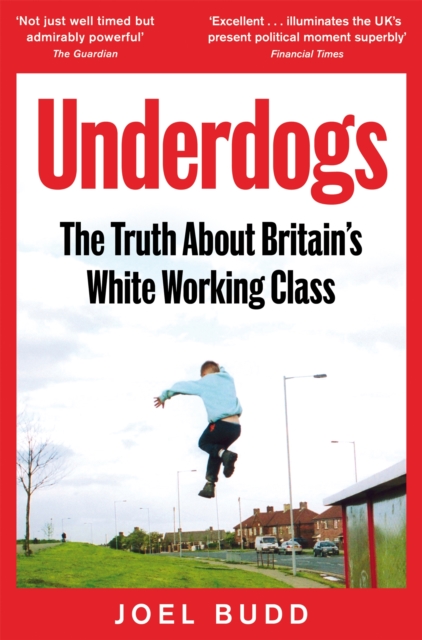
Powell’s novel is not to be confused with Underdogs by Joel Budd, though Budd’s book about Britain’s white working class is as interested in eschewing stereotypes. Budd examines the often-incorrect picture that ‘white working class Britons’ conjures and the assumptions made about the beliefs and mores of those who identify as such. He pulls apart caricatures and scrutinises geographical and generational differences, as well as researching housing and education and including the everyday stories of the people he meets rather than the words put into their mouths by middle-class politicians.
It is a perceptive book and oddly fun – the details about Thetford and his comments on accents are fascinating, not to mention the insights into how highly-modified cars have brought white and Asian working class people together or his research into the decline of armed robbery…
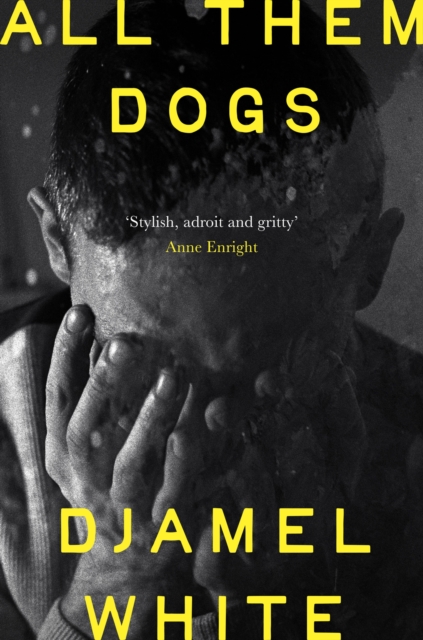
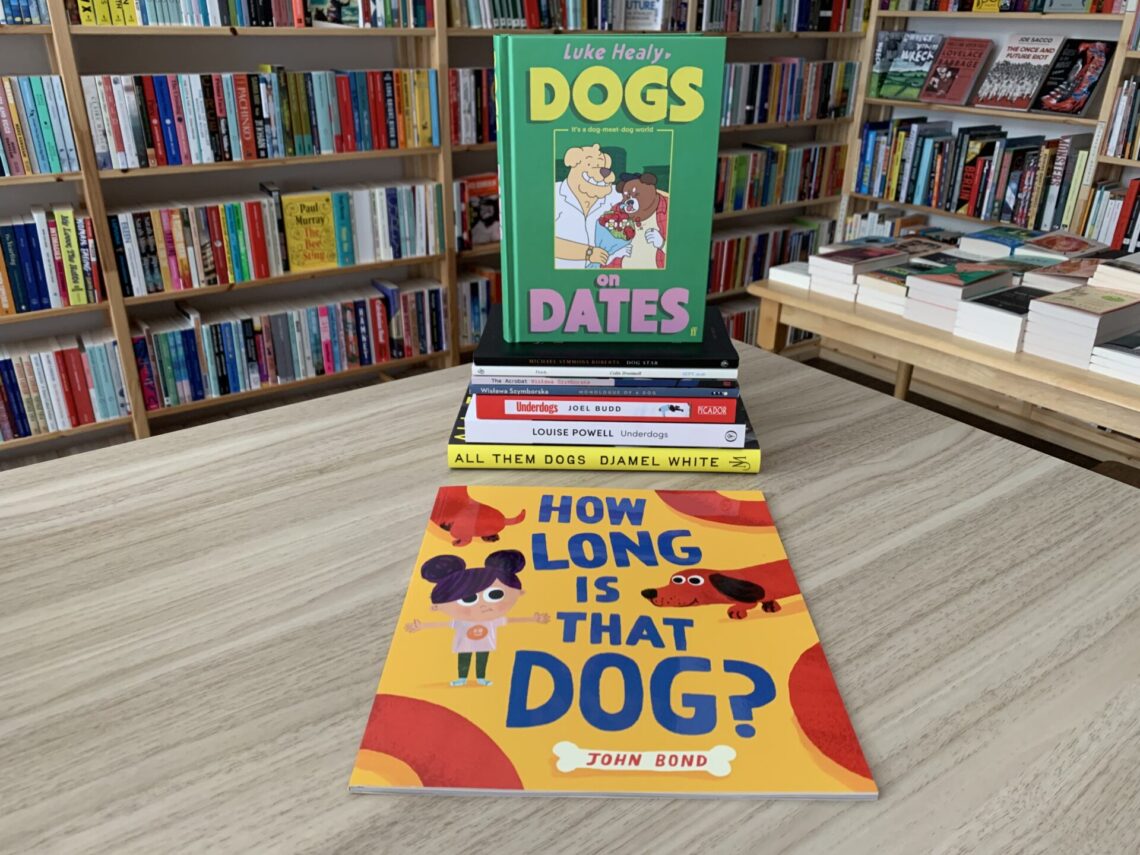
Given the books above, I have missed a trick in not yet reading All Them Dogs by Djamel White which has just made the Booker longlist (and what a list – John of John by Douglas Stuart, as newsletter readers know, currently gets my ineffectual vote but there are many on there to which I am looking forward).
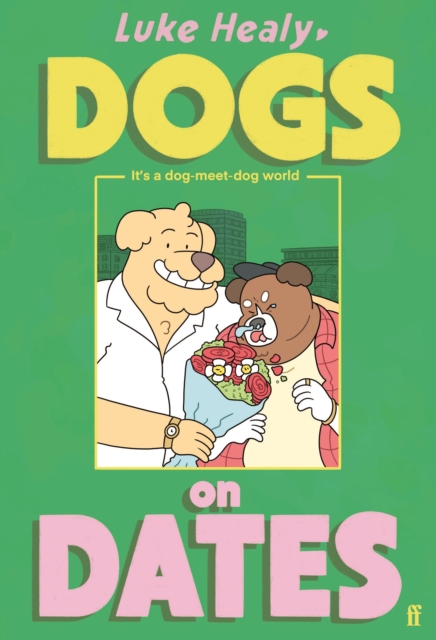
All Them Dogs promises a gritty, atmospheric novel, following a man returned to Dublin after years lying low, seeking his place of power in a local gang. It is certainly on the bedside pile. But I was somewhat distracted by Luke Healy’s graphic novel Dogs on Dates. Some people tell me that, however funny a book is, they don’t laugh out loud when reading. Well, they haven’t encountered Bernie and Brad, two single dogs who meet when they both walk into the same very clean window. Getting to the first date is a similarly fraught affair as Bernie runs into problem after problem but Brad has faith in the power of love over both clumsiness and capitalist hegemony. Why are they dogs? Just go with it. There’s a goat too.
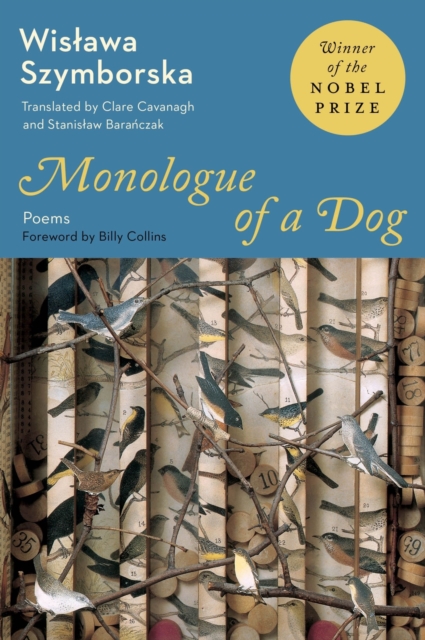
I didn’t plan this but I recently read Monologue of a Dog by Wisława Szymborska, translated by Clare Kavanagh. The poem, ‘Monologue of a Dog Ensnared in History,’ introduces both a playful tone and the subject of political upheaval and tribalism. The collection varies in subject matter and approach yet all are candid even if at first they appear the opposite. A particular favourite is ‘Plato, or Why’ which begins, ‘For unclear reasons/under unknown circumstances/Ideal Being ceased to be satisfied.’
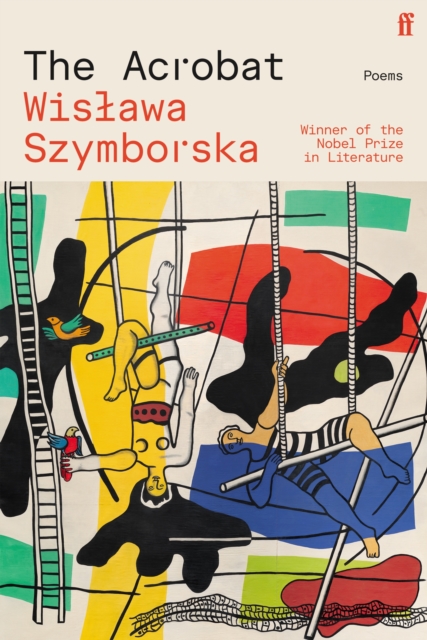
This is a new edition of a collection originally published in 2005. The parallel text is interesting, even if your Polish isn’t up to scratch, for showing the shapes and patterns of each poem. A new edition of her collection The Acrobat has also just been published. It is full of love and endings. Dogs and monkeys too. The poem set at a poorly attended poetry reading may again make those who profess not to actually laugh out loud, or at least make that appreciative noise that people insist on making at such readings.
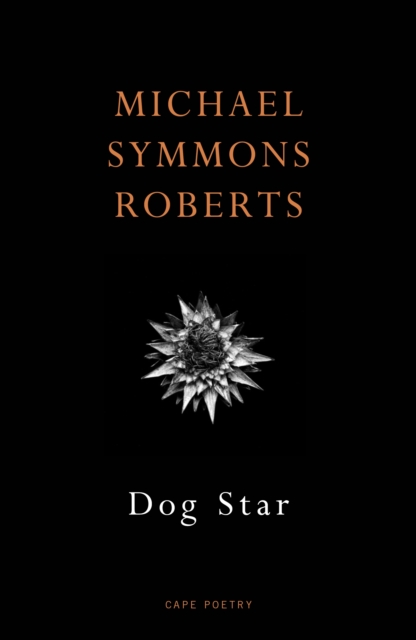
I didn’t plan it but now that I’m on this canine theme I’d better read Dog Star by Michael Symmons Roberts, a collection brimming with birds, foxes and hounds with close attention paid to what we can see in the nature around us as well as what we cannot but have learned from theoretical physics.
All too poignant is the poem ‘Maquette for a Wildfire’ which ends,
Only the mountain hare has guile and sorcery
to stand like a heron in a river,
then to dance between the flames
when they arrive. Now we are next in line:
these peaks a spark away from wasteland,
one dog-end with a tail of smoke will do it.
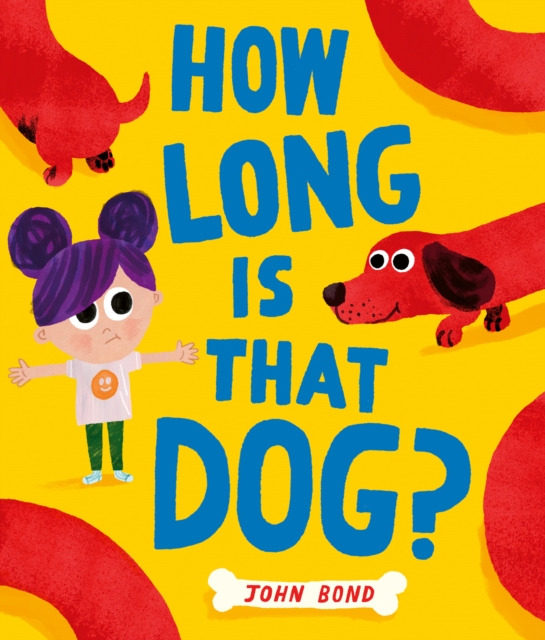
For the children a little too young for the races, I must champion How Long is that Dog? by John Bond. Evie, who really, really wants a dog, learns in this picture book that length can be about time as well as physical space. Mind-blowing.
Finally, Fetch is not a call to an excitable four-legged friend but your doppelgänger who comes to fetch you to the underworld. On 2 September, we welcome Colin Bramwell to launch his poetry collection of that title. This is one of many events happening in or near The Heronry at which we’d love to see you. I also wanted to highlight this event run by The Offline Book Club an opportunity to turn off all devices and join a big reading club in the Central Library next week.
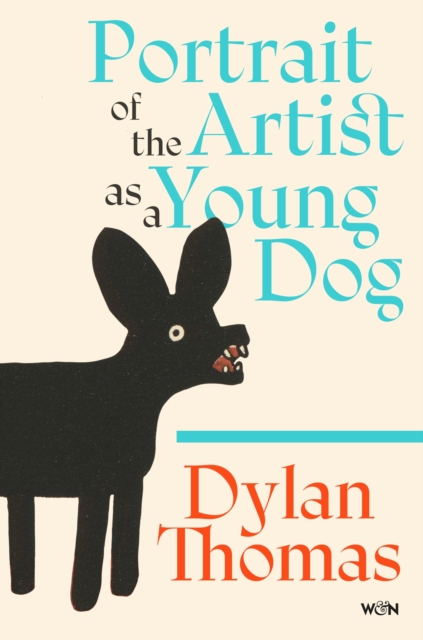
I’m off to enjoy the new edition of Dylan Thomas’ Portrait of the Artist as a Young Dog. If I don’t get distracted by canine friends in the shop, that is.
May your weekend be a sure thing,
Lizzie
Featured in the newsletter
-

The Acrobat
£12.99 -

Underdogs
£14.99 -

Dogs on Dates
£16.99 -

Fetch
£14.99 -

Underdogs
£10.99 -

Monologue of a Dog : New Poems
£12.99 -

All Them Dogs
£18.99 -
Dog Star
£13.00 -

How Long is that Dog?
£7.99 -
Portrait of the Artist as a Young Dog
£10.99