All Is Fair – 15 August 2025
Through the balloon arch to see the magic: a puppet show, clowns, a haunted house, a tunnel of love, a hot chocolate stand, egg hunts, confetti cannons, an actual cannon, book launches, stand-up shows, karaoke and even a tour of the toilets. No, it’s not The Heronry. It’s Jen Calleja’s Fair. Welcome. A book fair, an art fair, a fabulously fun fair. Your tour guide, ensuring that you don’t miss a thing though she does everything at the speed of a spinning, stormy teacup, is Calleja herself, poet, novelist, essayist and translator. Also, punk drummer, singer and maker of tiny salt dough models of pretzels. Just go with it.
Fair is exuberant. Ideas burst off the page like searing popcorn. Taking you from stalls to art exhibits to rides to the fire exit signs, at every acrobatic turn she explores what it is to be a literary translator, the myriad decisions that affect an apparently simple line of translation (spears at the ready for a gladiatorial translation duel), the invisibility of the translator and their role as an artist.
‘Lock me in the stocks!’ she cries. ‘Five custard pies to the face; one for each heckle I’ve received at a panel discussion about literary translation.’ And then goes on to tear down assumptions with absolute joy, even in the face of baked missiles and wildly unfair pay.
In the broom cupboard we meet the young Calleja studying German, having begged a teacher to let her take the subject after her school stopped all language A-Levels. At the feedback and complaints station, we understand her love for her work despite its many difficulties. In the hall of mirrors, she reflects on the translation of one sentence until the reader is dizzy and delighted.
What an exciting and original way to write about translation and share the thing one cares for in all its glory and intricacy. Reading Fair added so much to my thoughts as I prepared for two book groups this week at which we were discussing translated works, Heart Lamp and Pedro Páramo.
The stories in Heart Lamp by Banu Mushtaq, translated by Deepa Bhasthi were selected by the translator from the author’s six collections, originally written in Kannada. They are set in Southern India and show women – women of varying degrees of wealth, education and religiosity – shaped and imprisoned by men and tradition. There are small victories, between heart-shattering horrors. We could have discussed just one story for hours, let alone all twelve; with each reading the stories resound all the more deeply.
Attempts to summarise Pedro Páramo by Juan Rulfo, translated by Douglas J. Weatherford are a fool’s game. Let’s play. As you pass go, Juan Preciado goes to Comala to meet his father, Pedro Páramo. Except that’s not really the start. Pedro Páramo is dead. Is that the start? Surely not. Let’s go back to when Pedro is a child and should be mourning his grandfather. But he’s in the privy dreaming of the girl he loves. But perhaps it all starts when Fulgor, his father’s administrator, holds Pedro as a baby. Look, maybe worrying about the timeline is beside the point. There is no one alive in the silent town but everyone is here and it’s very, very noisy. Even in the grave. Especially in the grave.
You really must read it (backwards as well as forwards, if you are anything like Gabriel García Márquez who claimed to know if off by heart both ways).
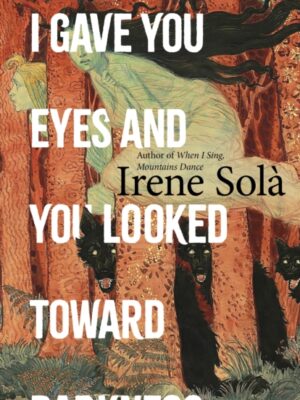
Reading Heart Lamp and Pedro Páramo seemed to illuminate aspects of the already shining I Gave You Eyes and You Looked Toward Darkness by Irene Solà, translated by Mara Faye Lethem, a novel set over the course of one day in one house, though stretching back through the generations of women who have lived and died there and now wait for one more to join them. One has heard that making a deal with the devil is ill-advised but here such a move gains new and raging intensity…
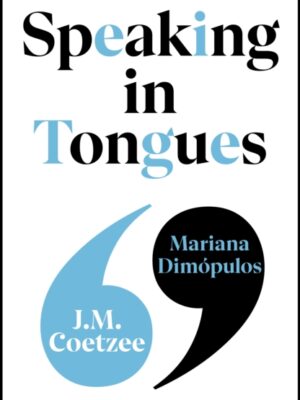
When I have come down from my candy-floss high and finished cleaning up the custard pies, I am excited to read Speaking in Tongues by J.M. Coetzee and Mariana Dimópulos, in which the novelist and translator discuss knotty issues of translation, both technical and moral. They knock ideas back and forth about monolingualism, the status of translations compared with the ‘original’, gendered languages, the fidelity of the translator (to what?) and the idea of untranslatability.*
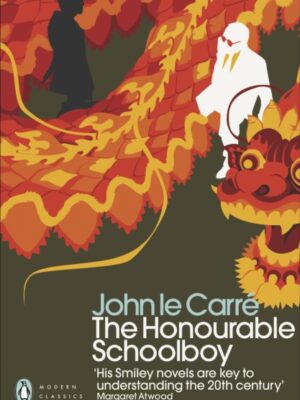
Meanwhile, I have been enjoying a secretive return to another circus in The Honourable Schoolboy by John le Carré. It is George Smiley’s Circus now (the nickname for the British intelligence service thanks to its not-so-secret location overlooking Cambridge Circus) and I hope he knows what’s happening because I certainly do not. A state of being with which I am very happy: the dialogue is splendid; the descriptions outrageous; the characters charismatic and horrible.
Le Carré’s biographer, the tireless Adam Sisman, has a new book out this week, The Indefatigable Asa Briggs, the ebullient and turbulent story of the prolific historian, pioneer in education, President of the Brontë Society, Vice-Chancellor of Sussex University, Chancellor of the Open University and lots more… One’s head spins like a top. We are delighted to be hosting the launch of The Indefatigable Asa Briggs on 1 September, to which you are warmly invited.
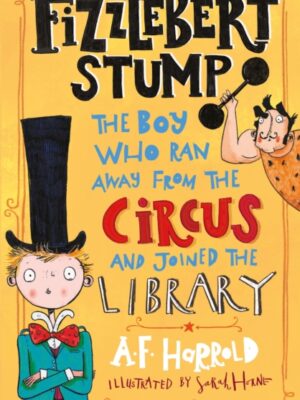
While some dream of running away to join the circus, others seek to flee from it and join the library. Meet Fizzlebert Stump. His mother is a clown, his father a strongman, his best friend a sea lion and yet Fizz longs for the adventures offered by a room full of books. How wise.
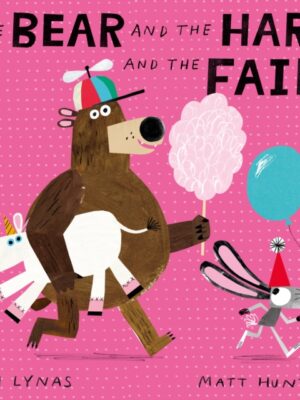
If one is still keen to go to the fair, please leave your chair, emerge from your lair, bring with you a bear and a hare and come for a ride, if you dare. The Bear and the Hare and the Fair by Em Lynas and Matt Hunt wins picture book of the week for the expressive eyes of Bear alone, though Hare’s ears are rather fantastic too.
We were due to continue our unflagging devotion to poetry and things that fizz tomorrow evening, with a reading from Anna Saunders. Unfortunately, we have had to cancel this event, for which apologies. It’s the last time we suggest that a poet travel by cannon. Next time dodgems. We do hope to reschedule and in the meantime we strongly recommend her collection, Eurydice in the Ruined House.
May your weekend whirl as gently or as riotously as you wish,
Lizzie
*On which last note, do enjoy Calleja’s takedown of anyone claiming that Gregor Samsa turns into an untranslatable creature. I want to be on her team in the laser quest tournament.
Featured in the newsletter
-

Fair : The Life-Art of Translation
£12.99 -
Heart Lamp
£14.99 -
Pedro Paramo
£9.99 -
I Gave You Eyes and You Looked Toward Darkness
£14.99 -
Speaking in Tongues
£14.99 -
The Honourable Schoolboy
£12.99 -
The Indefatigable Asa Briggs
£30.00 -
Fizzlebert Stump
£7.99 -
The Bear and the Hare and the Fair
£7.99