Strawberry Tartarus – 3 July 2026
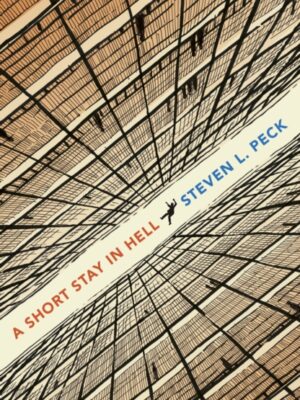
A library so large its dimensions cannot be expressed in number. Countless books. Plenty of time to explore. Snacks supplied. This must be heaven, right? Wrong.
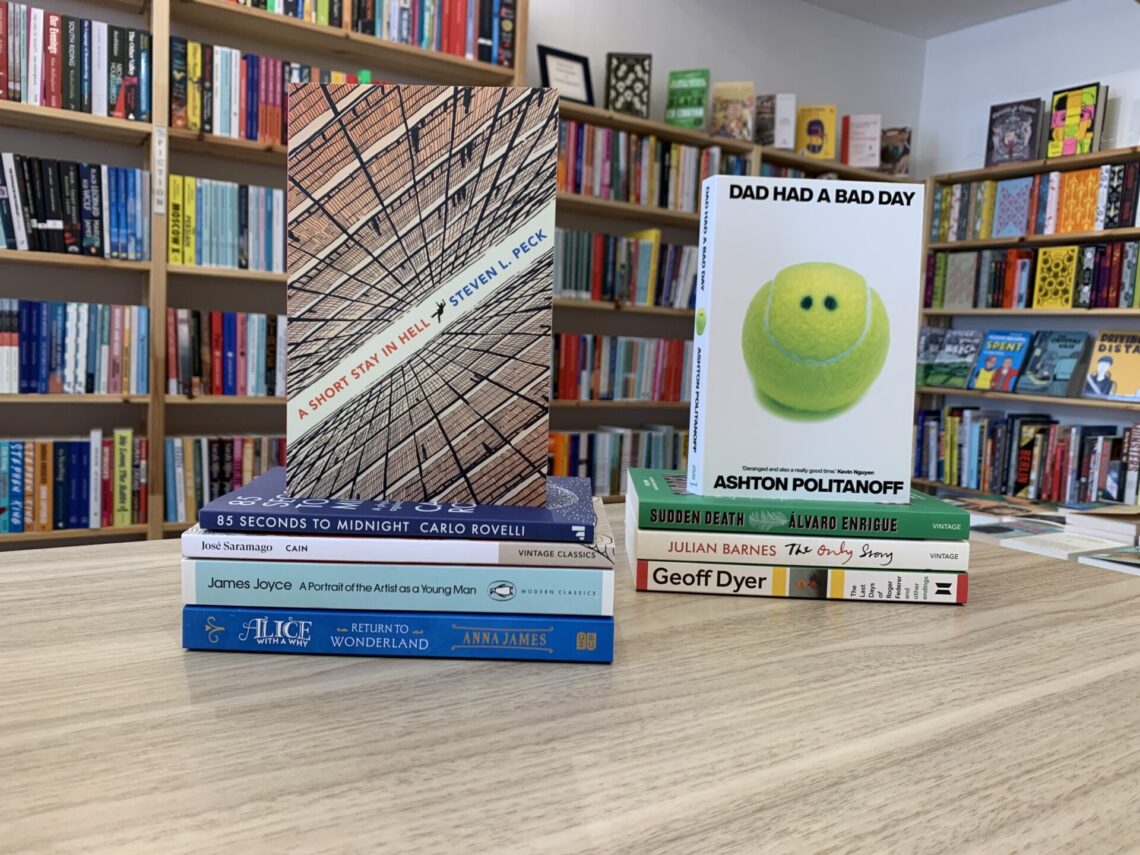
Steven L. Peck’s A Short Stay in Hell will ruin you. Soren is welcomed to hell by a charming Demon – yes, he quite understands that it is a shock that Soren, a good Mormon, finds himself here but Zoroastrianism is actually the true religion and no, Soren won’t be there forever: hell is for your edification. That edification requires him to find a particular book. It may take a while. A long while. But not eternity.
In one hundred pages we cover infinity, really, really big numbers, creativity, meaning, love, determinism and how to make a telescope from sheep intestines. Long after you finish reading A Short Stay in Hell, you’ll find yourself in a feverish haze wondering if Camus was really quite upbeat.
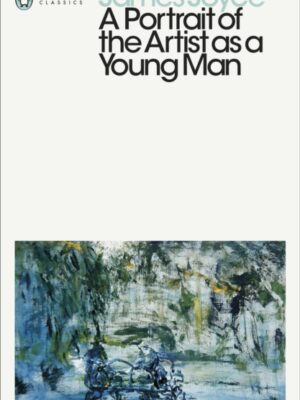
I suppose I have hell doubly on the brain because I’ve been immersed in Stephen Dedalus’s struggles with religion and beauty and feeling the effects of the blistering sermons in A Portrait of the Artist as a Young Man by James Joyce.
At the turn of each new year and whenever a newspaper publishes a list of best books ever written/books to read before you die/books you’re supposed to feel guilty about not having read, a small flurry rushes in to buy Ulysses to add to their ‘I ought to’ piles. I too have a copy which I plan to open one day. But may I suggest starting with A Portrait? It’s just a brilliant novel, serious and irreverent, political and personal – I love the picture of Stephen, having fought with his mother about religion, seeking his friend’s guidance and trying to have an erudite conversation about doubt and belief while Cranly will not stop snacking. As his friend pops yet more fruit into his mouth, Stephen cries, ‘Don’t please. You cannot discuss this question with your mouth full of chewed fig.’
There is no dutiful feeling whilst reading this, however much duty may be at issue for Stephen, no sense that it’s something you should read rather than a pleasing choice. The language grows as Stephen does. The arguments around the dining table are big, significant, but familiar and familial. I loved it.
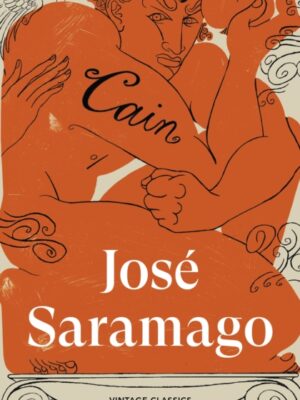
As I also loved Cain by José Saramago, translated by Margaret Jull Costa and newly published in the Vintage Brief Encounters list, a short, wild version of Cain’s story, from his birth to Adam and Eve to murdering his brother Abel to wandering the earth through the stories of Lilith, Noah, Abraham and various massacres. Time and space shift, whilst he argues with god (sic), whose early decisions are looking pretty foolish, and befriends a donkey. Somehow it is very funny indeed.
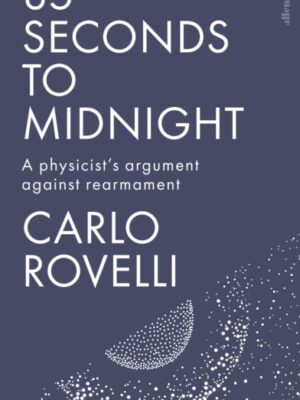
Cain does not need to leave Earth to see hell. Perhaps nor will we. In 85 Seconds to Midnight the physicist Carlo Rovelli argues that, while we will arrive at a reasonable shared political structure for the whole planet, whether we get there before or after nuclear catastrophe is in question. It depends on us.
Through a concise history of the development of nuclear weapons, the precarity of the situation and the ways that fear informs actions that should and could be led by rationality, he makes a powerful case. However ridiculous it is that this case is needed at all.
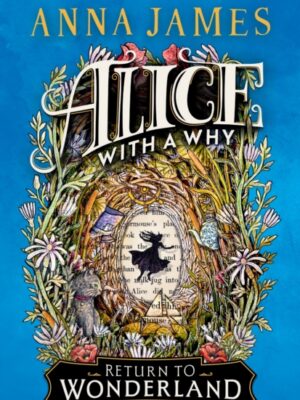
Fortunately we can also fall through the Earth and go to Wonderland. In Alice With a Why by Anna James, Alyce has always assumed that her grandmother Alice’s stories are pure fiction. But then an invitation to a tea party literally hits her in the face and she slips into the pond in her grandmother’s garden and sinks down and down into… well, you have some idea where this is going though not why… This Wonderland is a little different, jam tarts notwithstanding, and beset by a rivalry even more serious than those on show now in SW19.
Which, incidentally, is where heaven on earth can be found this fortnight. So, a quick caper through some of the best tennis-adjacent books:
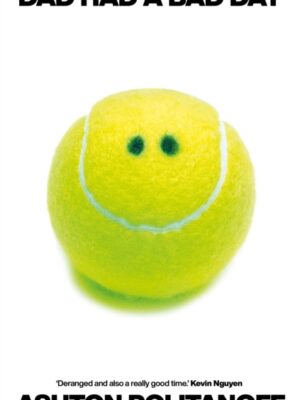
Current top seed is Dad Had a Bad Day by Ashton Politanoff, in which a former almost-pro who hasn’t played for years secretly starts training again, forms a team at his local club and takes everything far too seriously. He carries out surveillance on his opponents. He uses his son to effect sabotage. He melts down faster than my strawberry sorbet in the heatwave. It’s fizzy and horrible. Like eating the slightly off cucumber left in your Pimm’s glass overnight.
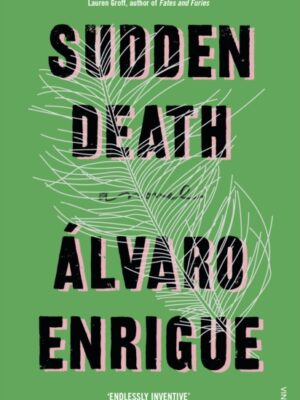
Sudden Death by Álvaro Enrigue imagines a tennis match between the artist Caravaggio and the poet Quevedo. They have scores to settle, as do many factions in sixteenth-century Mexico. It is even more mind-bending than watching a game without line judges. In fact linear time itself is wiggling, Hawk-Eye does not stand a chance and match etiquette is quite forgotten.
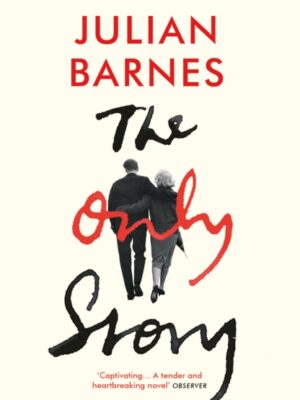
The Only Story by Julian Barnes is an old favourite, a devastating love story between a young man and older woman that starts on the tennis court. Hopeful one moment, distraught the next. Like following Raducanu’s career.
Finally, I must (again) mention Geoff Dyer’s The Last Days of Roger Federer, a book about things coming to an end, with all the irony, cynicism and humour one expects of Dyer, whose writing never fits between the lines. The heart-lifting joy of the Today at Wimbledon theme tune mixed with the perfectly downbeat tones of Andy Murray.
May all your libraries be finite, your books well-matched,
Lizzie
Featured in the newsletter
-

85 Seconds to Midnight
£9.99 -
A Portrait of the Artist as a Young Man
£12.99 -
Dad Had a Bad Day
£10.99 -
Alice With a Why
£7.99 -
A Short Stay in Hell
£9.99 -
Cain
£9.99 -
The Only Story
£9.99 -
Sudden Death
£9.99 -
The Last Days of Roger Federer
£10.99