Fever Pitch – 5 June 2026
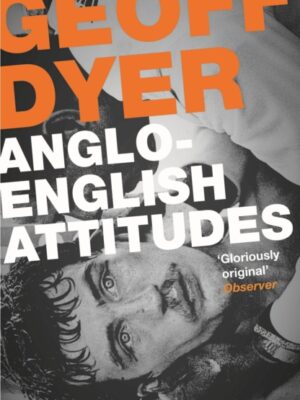
In Paris, Geoff Dyer reads on the grass in Le Jardin des Tuileries. Tourists photograph the garden’s statues. Joggers pass them without looking. A group of boys annoys everyone else by enjoying a kickabout.
The sculptures are of mythical or biblical characters. The statues endure. They struggle. Impossibly perfect bodies radiate power even as they strain to the extreme. Dyer doesn’t have a guidebook or, how remiss, a copy of Ovid with him to lend context but writes that the statues’ concerns are clear: ‘punishment and suffering, agony and ecstasy.’ I’ve been thinking about football so I get what he means.
Some of you may be very excited that the World Cup starts next week. Some may be preparing to go into hiding. Some will not notice because they are so immersed in a book that even Jack Grealish’s calves wouldn’t distract them.*
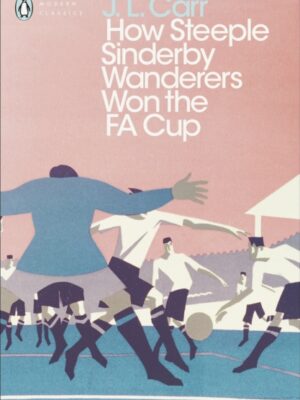
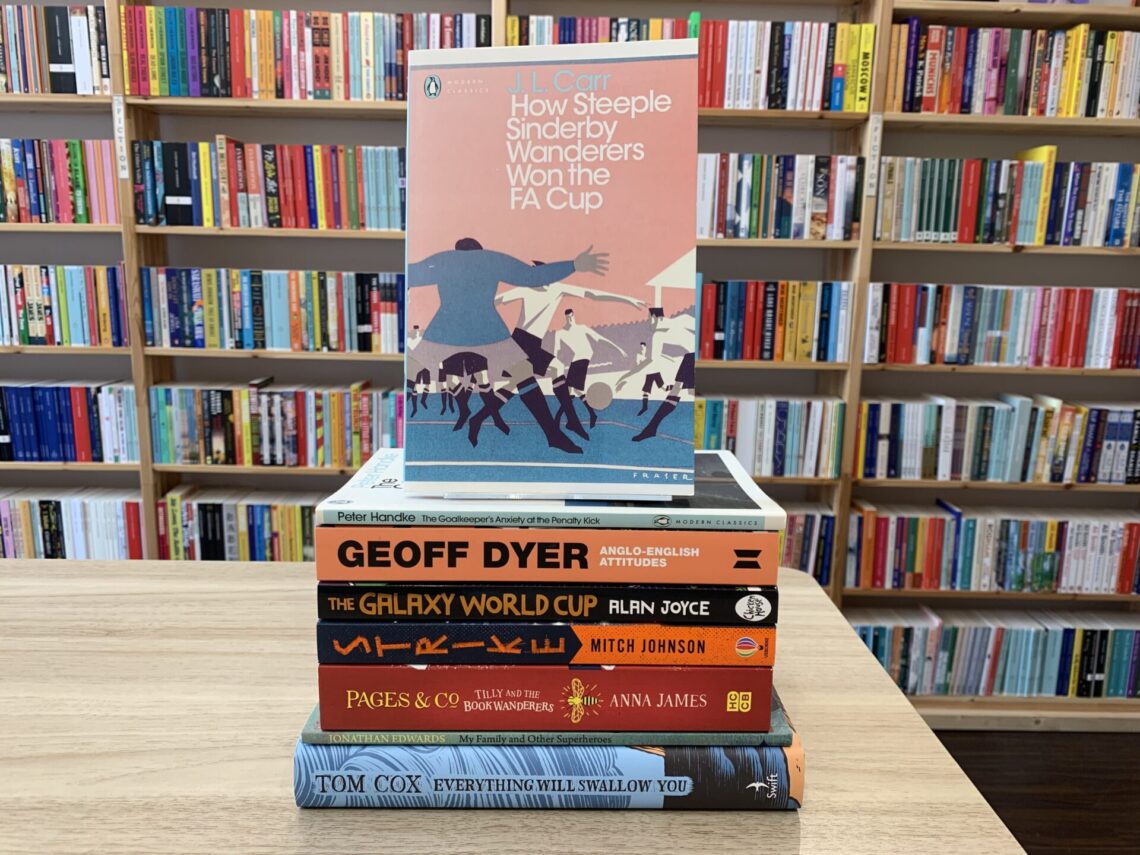
My own pre-match training has taken the form of J. L. Carr’s novel How Steeple Sinderby Wanderers Won the FA Cup. Someone must write the official history of how an amateur team from a tiny hamlet, which had previously had ‘a fairish season’ and ‘looked like finishing third or fourth in the Barchester & District League’ went on to win that magical FA Cup. This is not that history. The narrator is working on it. He is Mr Gidner, a greetings card writer, forced to leave theological college for reasons we are permitted to imagine, and the Wanderers’ Honorary Secretary: he writes match reports, washes the kit, hammers in the corner flags, slices half-time oranges and stops up gaps in the hedges to prevent lads sneaking in without paying their 5p. He does everything for the club but kick a ball.
It is a school inspector quizzing the headmaster about his educational methods who sets the whole thing in motion. Dr Kossuth, one of three members of staff at the local school, believes that children must be taught How to Learn. Seven and a half hours each week are devoted to ‘Exact Observation, Speed Reading, Knowledge Retention, and the bright ones got an important Extra – How to let Waffle wash over them whilst improving the time by thinking constructively.’
Alex Slingsby, who played six games for Aston Villa before becoming a teacher, wonders if Kossuth might put his revolutionary theorising to use for the local football team. And so, Dr Kossuth’s Postulations are formed. And tested.
Thus follows an epic story about football. Sort of: it’s a novella whose characters are often concerned with administration. It is about rural life and a small community. It’s about love and rain and how to deal with traffic when there is only one road. It’s about the vicar who may be a very good right-wing but cannot reschedule a funeral to demonstrate this. It’s about Monkey Tonks the goalkeeper who has no interest in the game but chuck anything at him and it’s not getting past. It’s about Sid Swift, hit with deep melancholia when he realises the futility of football and therefore of life, coming back from the brink. It’s about Mr Fangfoss, the Chairman of every local organisation who gets his own way by speaking loudly and Ginchy Trigger the local reporter who forgets to commentate on the game when anything exciting is happening but is really excellent in between, inspired as she is by Hardy and Monty Python.
All of life is here à la George Eliot but you can’t hear the grass growing because the pitch is largely mud and the cars parked in the neighbouring field are submerged.
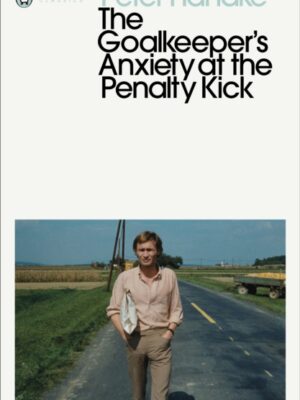
If you want to go from a major high to a dark low,** The Goalkeeper’s Anxiety at the Penalty Kick by Peter Handke is the way: a feverish novella – Camus with football, as if there weren’t philosophy enough already in the game. After reading it, I had to get into an ice bath.
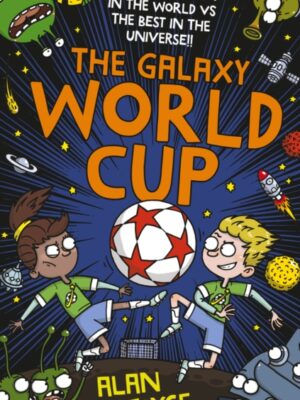
Younger readers simply must attend The Galaxy World Cup by Alan Joyce, in which a group of schoolchildren are abducted by aliens who want them to play in their intergalactic tournament. Well, at least it’s happening in space so no one at home will see them make fools of themselves. Oh, wait. It’s being screened across the galaxy.
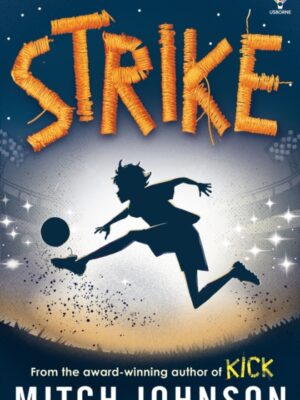
Strike by Mitch Johnson is also a stunning story about ambition and excitement and the chance to fulfil one’s dreams but with a twist: Owen’s new football boots contain a note from the child forced to make them in a factory. He decides that a true footballer must take on more than the opposing team…
For those who wish to escape and prefer to wander in other fictional places than Steeple Sinderby, I cannot recommend too highly Pages & Co.: Tilly and the Bookwanderers by Anna James. A ‘children’s’ book for all ages. Many of us read intensely. We struggle to emerge from the pages of a book. Strange things happen to time. But some have just that bit more focus which seems really to transport them… Tilly is about to find out that she can quite literally wander through the pages of a book. And that characters may emerge into her world to chat between the shelves of her grandparents’ bookshop.
My nephew has read and loved all six in the series. I need to catch up with him. Erm… can we pause the game?
Of course, the World Cup approaches but so too does an event even more important, one which unites us, demands that individuals pull together as a team, asks us to lace up our two-toned brogues, stretch to tidy even the top shelves and stay match fit on that diet of coffee and dark chocolate buttons. That is Independent Bookshop Week. Kick off is on 13 June. The week so good you want it to go into extra time and it does, lasting until 21 June. I don’t make the rules but I will referee.
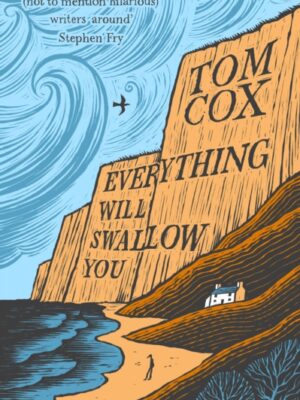
Throughout its nine days, we will be celebrating novelist, essayist, determined notebook-keeper, short story writer, collector of Sylvia Townsend Warner editions, cats and vinyl, and accidental crow-tamer, Tom Cox.
I will be interviewing him about Everything Will Swallow You on Tuesday 16 June at 6pm. You are warmly invited – please RSVP soon as space is even more limited than at a Steeple Sinderby game.
With apologies to the already excluded Welsh fans, there isn’t space to include Jonathan Edwards’ poem, ‘Half-time, Wales vs. Germany, Cardiff Arms Park, 1991.’ I guess you’ll have to buy the collection, worth it for this poem alone, about a father and a son and a game they’ll talk about for decades to come.
May your weekend wander towards greatness,
Lizzie
*Yes, I know he’s not in the England squad but allow me the fantasy. Middlemarch is great but…
**[Insert inevitable cutting remark about the trials of being an England fan here.]
Featured in the newsletter