Called by the Herons – 9 January 2026
When the writer and publisher Anuradha Roy and her partner were visiting Ranikhet, a town in northern India, they had heard stories of an astonishing view of the high Himalaya. The sort that stops you in your tracks, stays with you forever and takes on magical qualities.
After days of drizzle spent in a town that hardly emerged from mist, they were sceptical. The sublime prospect was a myth. Not that there weren’t many other delights on this trip, held by the bountiful forests and the light washing the hills.
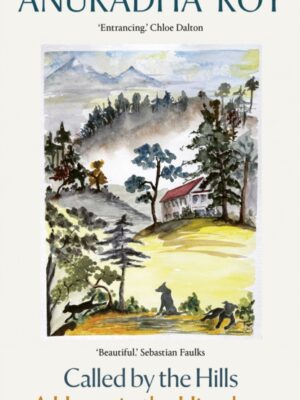
Then, ‘early one morning we awoke to long ribbons of sunlight streaming in through the trees in the east… In place of flat old sky were peaks – shining white and blue, five times bigger than the hills at their base, and rising miles above.’ Striving to consume the extraordinary sight of the mountains at closer proximity, they set out through trees and mud and leeches towards the snows. They found a perfect place to stand and take in the colossal peaks of rock and ice, set off by the colourful hills folded before them. There was a derelict cottage. There was a dog. Naturally, they had to move there. Make the cottage habitable. Hold that view dear. Look after the dog too.
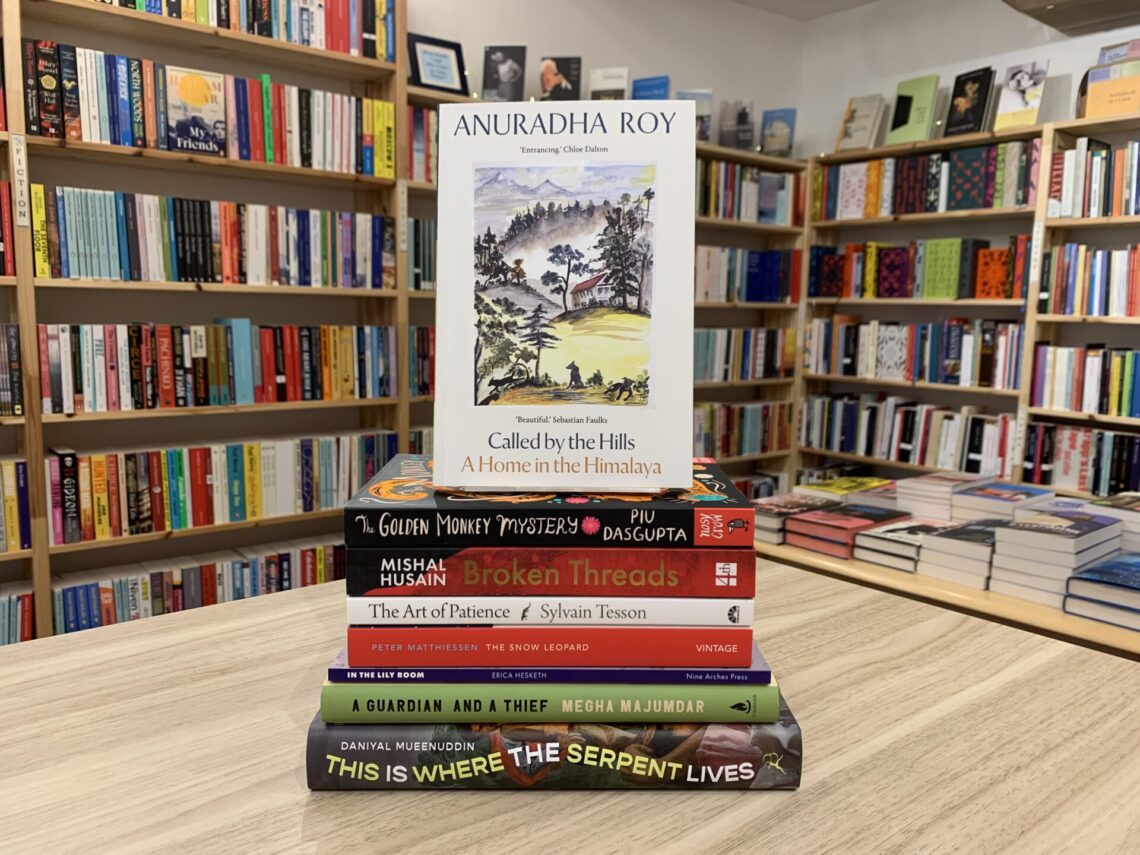
What follows in Called by the Hills: A Home in the Himalaya is a gentle picture of the landscape, the community in Ranikhet (people, dogs, leeches and all) and the attempts to make a garden, feed the birds and avoid the leopards near their new home. It is not easy, particularly for Roy as a childless and working woman. Nor for anyone as the effects of climate change are felt with each passing year. Yet the book is kind, beautifully written without being overdone and even someone who knows nothing of plants and wants no more altitude than Bristol provides will feel invited in and moved.
I read this after reading A Guardian and a Thief by Megha Majumdar, a novel set in a version of Kolkata beset by flooding, terrible heat and dreadful famine. It’s an imagined near-future in a place with such suffering in its history too.
Ma, her daughter and her father are getting out. They only have to survive one more week, collect their climate visas and get to the airport for their flight to America where Ma’s husband works and has found them a home. Meanwhile, a young man is doing the same – searching for food and shelter for his family.
I loved the style of the book – told partly from Ma’s point of view, partly from the man’s and interspersed with telephone conversations between the main characters and their families, to whom they lie hopelessly, or hopefully. Alongside Anuradha Roy’s poised nature writing and insights, here is a fever, the heat and the desperation rising off the page. What would we do for our families in the direst circumstances? Majumdar’s answer is a shock, all the more so for its realism.
I can’t wait to get my hands on This is Where the Serpent Lives by Daniyal Mueenuddin which comes out next week, a story also asking questions about society, family, morality and rich and poor living next to one another in vastly different circumstances. It is set in Pakistan moving across cities and rural landscapes and follows characters striving not only for survival but also to rise above what caste and expectation allow.
These ideas resonate deeply as I prepare for our next non-fiction book club at which we will be discussing Broken Threads by Mishal Husain. Husain’s account of the lives of her grandparents – three of them born in India, and one in what was to become Pakistan – is both a personal memoir and a history sweeping across borders, languages, religions and political institutions from the British Raj to partition and independence.
The story of Mumtaz and Mary in particular, her paternal grandparents, will stay with me for years. They faced countless difficulties, not least as a Muslim and a Catholic each wanting to honour religion and family, with great poise and love.
The Golden Monkey Mystery by Piu DasGupta is a brilliant adventure story for middle grade and older readers which also offers insights into life under the British Raj, language and cultural traditions.
No mean feat for a novel following a young girl, aspiring to study medicine when no women were permitted to and finding herself caught up in the rescue of a rare monkey and the hunt for a cursed gemstone stolen from a temple to Brahma. As well as fans of monkeys, jewels, capers (of the adventurous sort), those who like puzzles, optical illusions and wise cats will thoroughly enjoy this.
With Anuradha Roy and Piu DasGupta’s books both beset by leopards and views of the Himalaya, I was reminded that The Snow Leopard by Peter Matthiessen, his account of a dangerous 250-mile trek in search of the creature in 1973, has been waiting patiently on my shelf for some years. I’m intrigued too by a recent book The Art of Patience: Seeking the Snow Leopard in Tibet by Sylvain Tesson, in which Tesson takes on a similar expedition. It is the second week of January and already my reading plans are in glorious disarray…
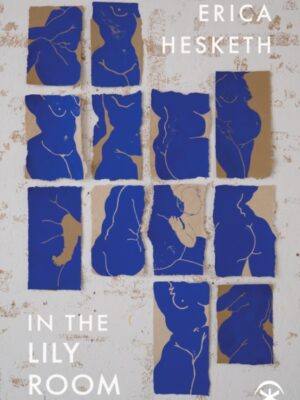
Away from the Himalaya, leopards and, fortunately, leeches, we would love to see you in the shop on Saturday 17 (and before then) when we welcome Erica Hesketh for a poetry reading. Having said that, her collection In the Lily Room does involve a feverish and flood-ridden sequence, exploring birth, becoming a mother and eels so we may find ourselves in comparable territory…
May your weekend be bathed in exquisite light,
Lizzie
Featured in the newsletter
-

Called by the Hills
£12.99 -
A Guardian and a Thief
£16.99 -
This is Where the Serpent Lives
£18.99 -
Broken Threads
£10.99 -
The Golden Monkey Mystery
£7.99 -
The Snow Leopard
£12.99 -
The Art of Patience: Seeking the Snow Leopard in Tibet
£9.99 -
In The Lily Room
£11.99