Play Time – 19 June 2026
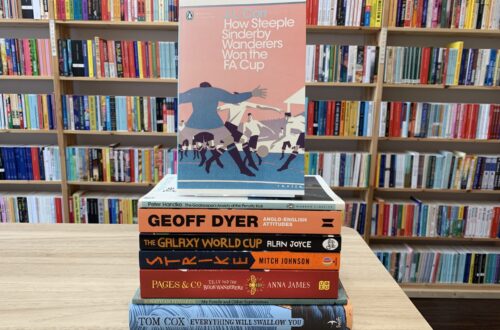
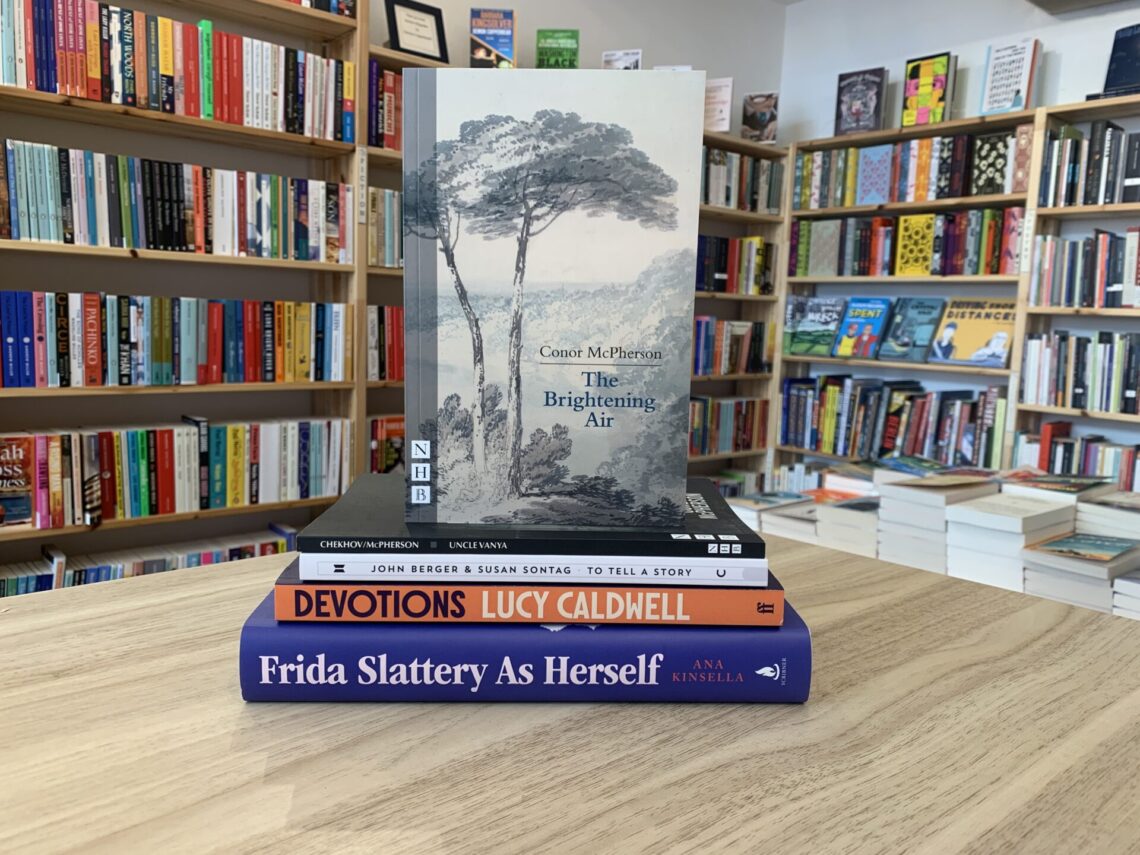
Even more so than usual, it is play time here in The Heronry. Between Independent Bookshop Week shenanigans for the author Tom Cox, a picture book launch in honour of a mole, a persistent architect great in kindness and endeavour, and some concern about whether everyone else can see the young girl who has taken up residence in our window,* I have been at the theatre with Ana Kinsella, Lucy Caldwell, Conor McPherson, Chekhov, John Berger and Susan Sontag.
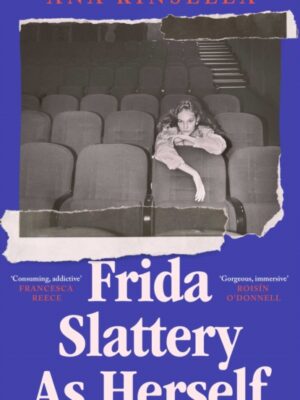
Ana Kinsella’s debut novel Frida Slattery As Herself is fantastic. Five stars for dialogue, characters, set up and set design. Frida is an actor, wholly an actor even when she has no work, which, when we first meet her, is most of the time. John is a playwright and director, even if this looks more like having a few pints in Kehoes pub. The two meet. They misread that first meeting. They hope to meet again without an idea that the other does too. They will.
There is a romantic side to this but the novel is so much more interesting than that. It is their work together that is important. We see them take the stuff of everyday life and create drama, inherently fleeting yet lasting. We see them use the stage to show us something about ourselves, use the audience as a character, search for a truth beneath make-up and bright lights. It is electrifying, the pull between the characters but also how Kinsella can set down in writing creations that are in motion, ever-transforming.
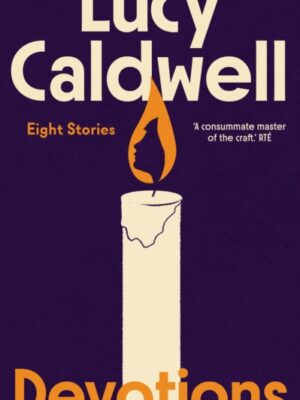
In Lucy Caldwell’s short story collection Devotions, two favourites stand out from a gorgeous whole: ‘Hamlet, a love story,’ in which a theatre group put on a choose-your-own-adventure version of Hamlet, different and unpredictable every night, and ‘Little Lands’, in which a mother and daughter watch The Sound of Music, a scene which pulls you onto the sofa beside them, singing along and rewinding the film.
Both are about performance and love. Both are about telling the same story over and over again and discovering that there is in fact no such thing, for either narrator or audience. And both are full of joy in tragedy. You will be so in love with Christopher Plummer by the end of the latter that your stomach hurts.
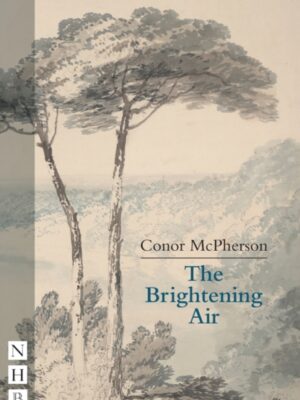
How plays transform on stage, how actors shape a playwright’s work, respond to the director, each other, the audience and something intangible buzzing in the air, how plays grow out of other plays – it’s all in Frida and Devotions and it resonated deeply as I read, then watched, then read The Brightening Air by Conor McPherson, an Uncle Vanya-esque play set in an Irish farmhouse in a state of disrepair and about to crumble in other ways.
Over the course of a few days around a table heaving with sandwiches and drink, hell may be unleashed by a disgraced priest, a wandering husband, an entrancing siren, a recently discovered will and a spring flowing with a magical, love-inducing water.
At the heart of this is Billie, the youngest of three adult siblings, obsessed with railway routes, in some ways not good at social cues or self-control and in others the most astute and humane character. How I long to follow her into the brightening air but the curtain drops and it will never be the same Billie and the applause starts and she is gone.
How to tell a story? How to make it last. The written word and the oral. Truth, fiction, performance, shared experiences – all are there in Susan Sontag and John Berger’s erudite (and baffling but I enjoy being baffled) conversation recorded for a television program in 1983 and now transcribed in To Tell a Story, along with their letters and a discussion at a conference when they ignored the agenda and came together to play verbal tennis.
In my current frame of mind, I can’t help but read the indications of their tone as if they are stage directions and smiling at ‘kindly mocking’ (Sontag) and ‘quite suspicious’ (Berger). Berger writes to Sontag afterwards about the quality of their conversation, two people really listening to each other and with an audience able to listen in on that. It is fascinating and strange to look over their shoulders at this. The insights into their years of collaboration offered by To Tell a Story sent me back to Frida Slattery As Herself with even more admiration for that portrayal of a creative partnership, that capturing on the page of a moment of innovation in a way that feels energetic, visual and sonorous.
May your weekend be full of play,
Lizzie
* Sometimes I hear her humming Hungarian folk music. Other experiences differ.
Featured in the newsletter
-

The Brightening Air
£10.99 -
Frida Slattery As Herself
£16.99 -
Devotions
£14.99 -
To Tell a Story
£10.99