The Women Are Up to Something – 22 March 2025
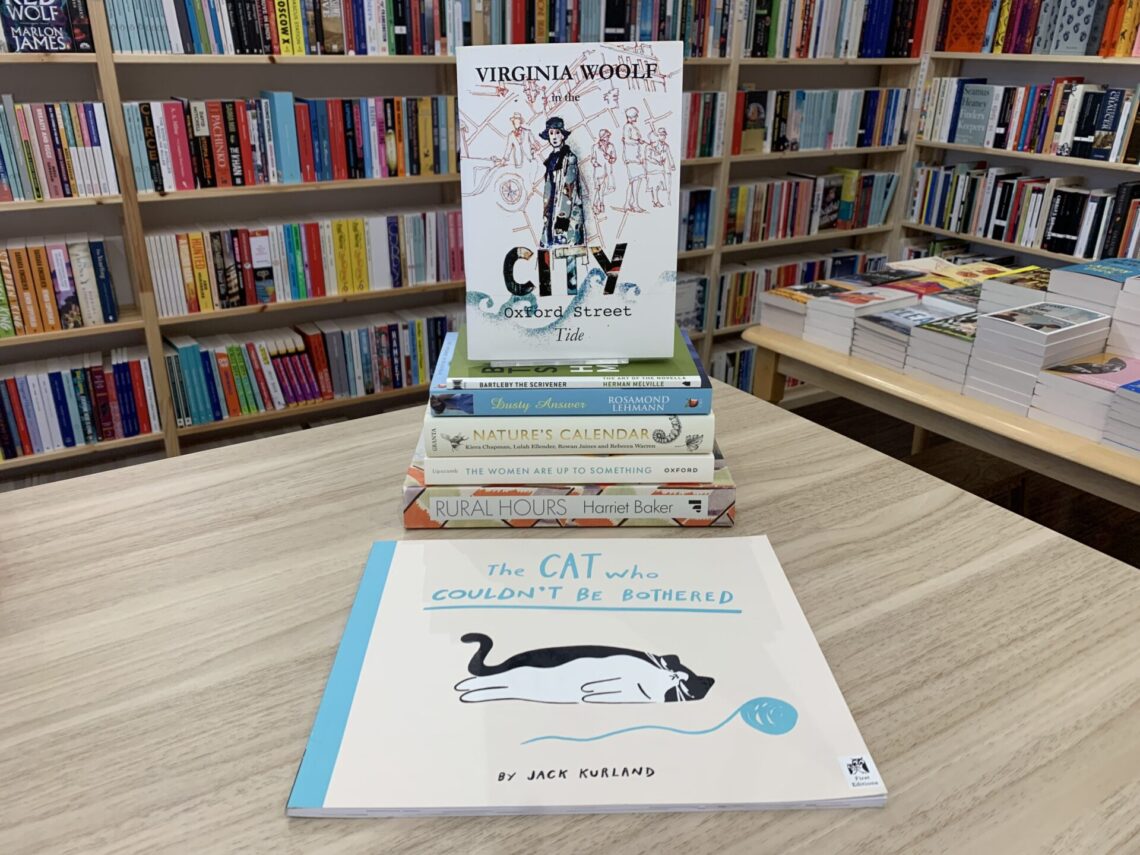
May I invite you to join me in quiet indulgences, in re-reading a book, in watching the daffodils open, in listening to the ‘thud of dozy bumblebees.’ In the past few weeks hundreds of books have been published. The shelves are delighting in their new cargo. Absolute bangers rampage across the bestseller lists. The postman pours packages into my outstretched arms. Books throw themselves at me demanding to be read next (that’s how I interpret it but the buildings in Clifton are not entirely flat…). And yet I have devoted the past few days to re-reading, first Rural Hours by Harriet Baker then, inspired by this, Dusty Answer by Rosamond Lehmann.
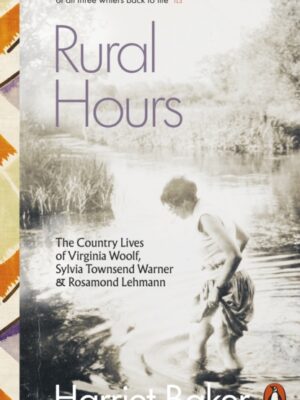
Rural Hours explores the experiences of Virginia Woolf, Sylvia Townsend Warner and Rosamond Lehmann when each moved to the countryside and how this affected their writing. I wrote about it here a year ago with great admiration and am thrilled to return to it, to listen to countryside chatter with Virginia Woolf, to dry herbs and have my heart broken alongside Sylvia Townsend Warner and to make leisure a state of mind with Rosamond Lehmann, all the while finding new details in Harriet’s excellent writing.
It is a book to which I think one can come with no knowledge of these writers – the committed Woolf fans and experts will be as fascinated as the reader who wants to slow down, muse in front of the kitchen cupboard, contemplate linen sheets…
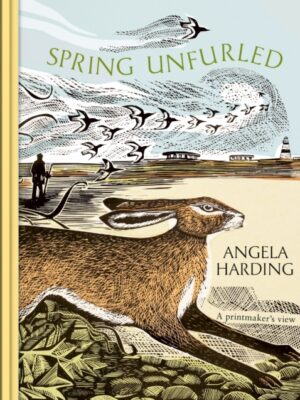
Back in the city, Virginia Woolf wrote that the greatest pleasure in winter is a walk in the evening, ‘for in winter the champagne brightness of the air and the sociability of the streets are grateful.’ The champagne brightness of the air… How to describe the embrace of the afternoon light through our glorious high window, with spring unfurled? Add a healthy tot of crème de cassis to your champagne and I think there may be a resemblance.
Given this, please join us at 15.30 on Sunday 30th to meet Harriet and celebrate the paperback publication of Rural Hours. Kir Rural will be served (for hours?).
Harriet has just won the Sunday Times Charlotte Aitken Young Writer of the Year Award so there is even more reason for merriment. No tickets required but it would be helpful if you let us know by reply that you are coming. Otherwise, we may run out of drinks and you’ll have to make do with a Virgin Woolf. And I don’t know what’s in that.
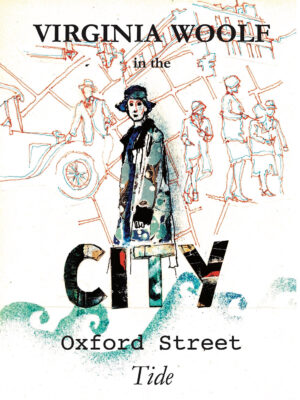
Between cocktail ideas (Rosamond Lehmanhattan, anyone? Mrs Daiquiri?), I find myself gazing at Louisa Albani’s pamphlet, Virginia Woolf in the City. This brings together Woolf’s article ‘Oxford Street Tide’ with short essays from Mark Hussey and Derek Ryan and Louisa’s art created from Woolf’s literary sketches. It is wonderful to see this wild picture of Oxford Street with the minutiae of her Asheham diary, considered in Rural Hours, fresh in one’s mind.
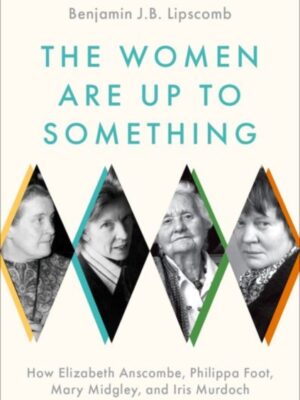
I have also been captivated by a biography and examination of how four women, born a generation later, collaborated, competed, became friends and transformed both the teaching of ethics in universities and its discussion in the public sphere. Benjamin J. B. Lipscomb’s book on Elizabeth Anscombe, Philippa Foot, Mary Midgley and Iris Murdoch is fascinating.
The Women Are Up to Something takes its title from the University of Oxford’s response to a protest organised by Elizabeth Anscombe. In 1956 the University announced that it would bestow an honorary degree on Harry Truman, ‘known the world over for his decisions to bomb Hiroshima and Nagasaki.’ Ethics were not confined to the lecture hall. For Anscombe, this was wrong. She tried to stop it. The administration gathered a crowd to ensure that the degree was voted through.
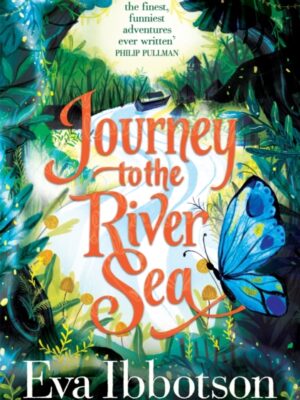
The book explores the philosophers’ arguments for an alternative to subjective ethics as well as offering biography and social history and showing other ways to ‘do philosophy’ – Midgley for example developing her philosophy within the context of biology and in conversations with the novelist Eva Ibbotson, not to mention speaking on Virginia Woolf in her 1952 talk for the BBC Home Service as part of an argument about integrative thought.
It is full of the details that, as in Rural Hours, make me want to read it repeatedly, to meet each of the women again. Anscombe’s approach to what did and did not matter is particularly rich for such stories. On being turned away from a restaurant because women were not permitted to enter wearing trousers, she removed them. The day after she gave birth she told someone off for being late to a discussion. He had only come at all in order to congratulate her, presuming that that day’s academic undertakings would not be going ahead. When one of her seven children was in an accident she prayed, promising that she would give up cigarettes if the boy lived. He did. She did not smoke another cigarette. She did take up smoking cigars.
Sylvia Townsend Warner would have approved. In her devotion to frugality and even when supper could be nothing but milk soup she was proud to say that she never ‘debased’ herself by giving up smoking.
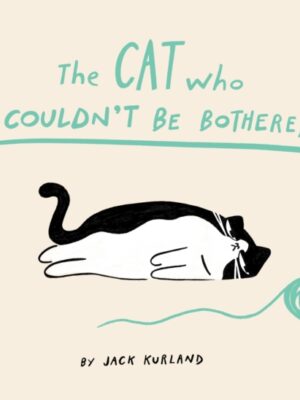
Thinking of the female characters in Lehmann’s novels for whom doing ‘nothing’ – absorbing each hour, reading in the bath, eating a toasted bun in front of the fire – can be an act of resistance, I must recommend an important picture book: The Cat Who Couldn’t Be Bothered by Jack Kurland. This cat is not in the mood for adventure. Nor to do anything. Sometimes, Bartleby-style, one would prefer not to. Sometimes, Lehmann-style, creativity looks like doing nothing.
May your weekend hours be bathed in sparkling (champagne) light,
Lizzie
Featured in the newsletter
-

The Women Are Up to Something
£15.99 -
Rural Hours
£10.99 -
Street Haunting
£12.99 -
Dusty Answer
£10.99 -
Nature’s Calendar
£14.99 -
Virginia Woolf in the City
£13.50 -
Spring Unfurled
£12.99 -
The Cat Who Couldn’t Be Bothered
£7.99 -
Journey to the River Sea
£8.99 -
Bartleby The Scrivener
£8.99