Normal for Herons – 1 March 2025
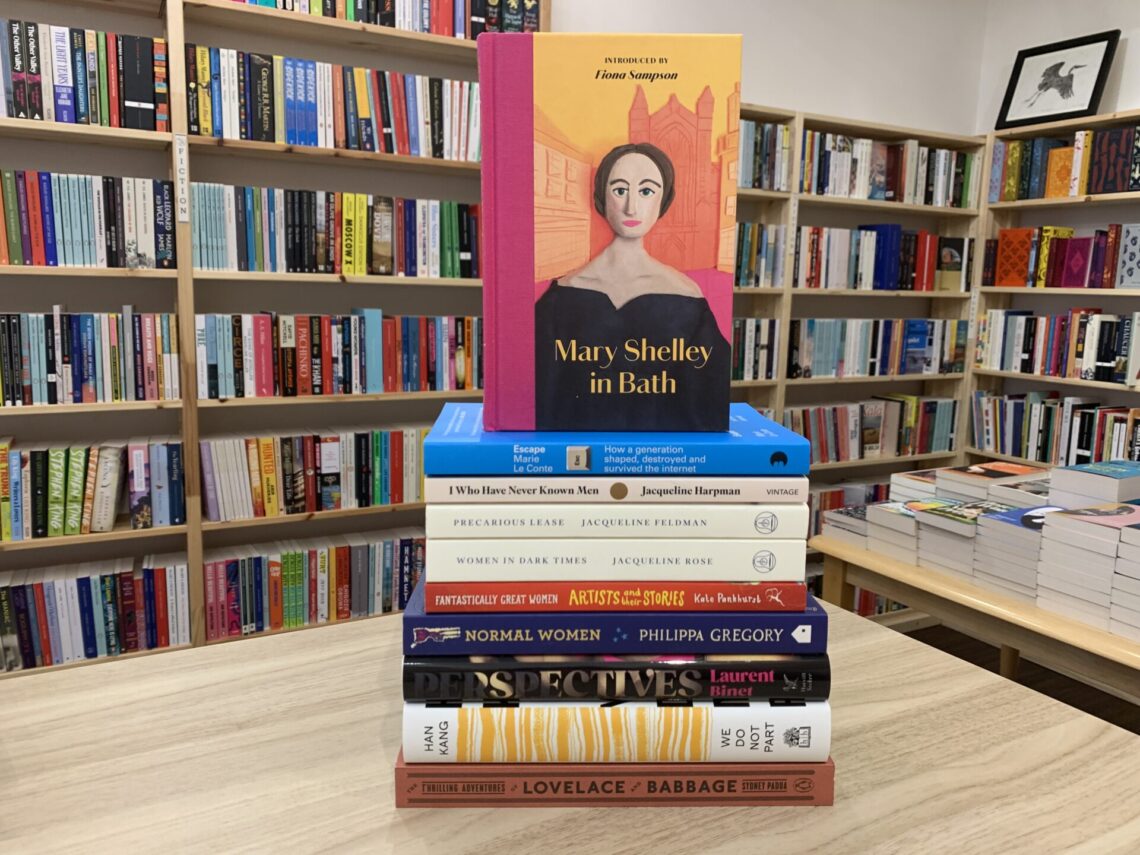
Following last week’s dizzying strategies for world domination, I descended from the ceiling to focus on something closer to home. Mary Shelley in Bath, introduced by Fiona Sampson and illustrated by Eleanor Macnair, is a collection of Shelley’s writing during her time in the city. It includes short stories, a chapter of Frankenstein, diary entries and letters.
According to the diary entries, she reads, writes, draws and walks. Sometimes she reads aloud. That she is there because her unmarried stepsister is about to give birth to Byron’s daughter goes unmentioned. ‘Read Curtius and work. Read the Memoirs of the Princess of Bareith aloud in the evening; walk.’What happened between? The short entries are hypnotic.
At the end, the book includes her reading list. She’s nineteen. It puts me to shame. I really ought to read Clarissa. But this week other plots have overtaken me. Shelley in Bath, nuns in Florence; an author steeped in Korean snows and histories, a journalist in the online world (looking for escape), Ada Lovelace in… the multiverse; ‘normal’ women, surreal women and – they merit their own subset – women named Jacqueline.
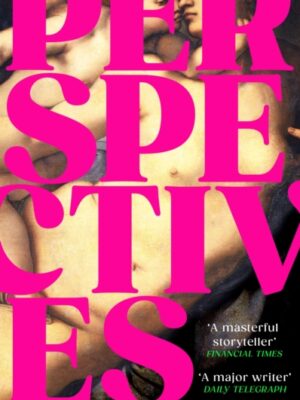
Laurent Binet’s epistolary novel Perspectives draws the Medici, the Strozzi, Michaelangelo, Giorgio Vasari, Agnolo Bronzino and Vincenzo Borghini into a pacy hunt for the murderer of the painter Pontormo and into a mystery surrounding an indelicate painting of Maria de’ Medici. From my viewpoint, one of the best threads follows the plight of artistic nun, Sister Plautilla Nelli…
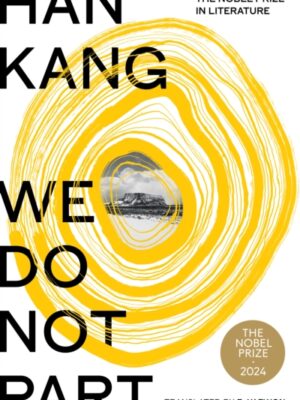
After a romp (followed by a swim, as the Arno burst its banks) through Renaissance Florence, Han Kang’s We Do Not Part is quite a gear change in subject matter and writing style. The novel follows an author traumatised by the research she carried out when writing about a massacre. (One of Han Kang’s previous novels is about the Gwangju uprising.) When a message comes from a friend asking for help, she is forced to travel from Seoul to Jeju Island. Wrapped up in her descriptions of the films made by her friend and the haunting images from her own work, as well as her current precarious situation, are dark histories of 1940s Korea and… a touch of the ethereal. We Do Not Part is eerie and extraordinary.
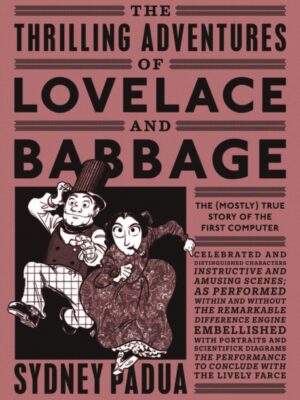
Thanks to one of my favourite ever customer recommendations, clever and absurd alleviation comes in the form of another of Byron’s daughters, but not as you know her. The graphic novel The Thrilling Adventures of Lovelace and Babbage: The (Mostly) True Story of the First Computer by Sydney Padua is set in a world in which Ada Lovelace and Charles Babbage have built a working Analytical Engine. They use it to fight crime. And yet this is also a biography of the pair, a portrayal of their relationship built on close examination of their letters, a consideration of mathematics and creativity. The dialogue is often based on their own words. The endnotes have footnotes. The footnotes have jokes. The jokes turn out to be true. It’s all marvellous.
Back in this world, I have started reading Women in Dark Times by Jacqueline Rose. The essays on Rosa Luxemburg, Marilyn Monroe and Charlotte Salomon are insightful in and of themselves but these lead to essays on artists and on victims of ‘honour’ killings, discussion of terms such as ‘survivor’ and ‘victim’ and a call for a ‘scandalous’ feminism. This is a new edition of a book originally published in 2014 and the need to illuminate Jacqueline Rose’s work is only more apparent.
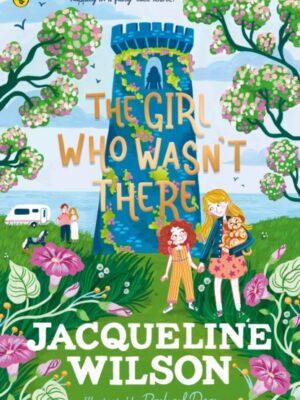
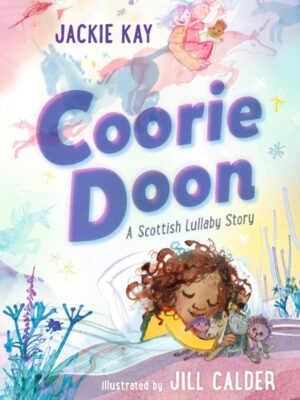
Jacquelines, meanwhile, are on the rise. Jacqueline Wilson’sThe Girl Who Wasn’t There follows a family who move to live in a crumbling tower, a fairytale set up with dark turns, Jackie Kay has published a picture book about a Scottish lullaby, Coorie Doon, we’re reading Jacqueline Harpman’s I Who Have Never Known Men in our next fiction book group and still Jacqueline Feldman’s Precarious Lease (which I wrote about previously) is balanced atop a pile of unfinished books threatening to collapse on me in the night.
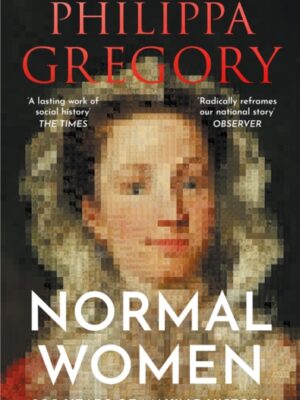
If I knew little about some of the artists discussed in Jacqueline Rose’s work, I thought I would at least know those in Kate Pankhurst’s children’s book on Fantastically Great Women Artists. In fact, I have a lot to learn both from this vivid collection of true stories and from Normal Women: Making History for 900 Years by Philippa Gregory,a version of her epic history, Normal Women, aimed at teenaged readers (but fascinating for all ages, as well as being easier to carry) illustrated by Alexis Snell.
On Monday, we look forward to supporting an event organised by the Bristol Humanists with Marie le Conte, author of Escape: How a generation shaped, destroyed and survived the internet. She will be speaking about shifts in our social patterns: are the introverts winning? The details are here and there are many more events to be announced, including the full line-up for our poetry readings for the rest of the year, author talks and even hosting our first gig.
For now, this introvert is escaping to read Clarissa.*
May your weekend offer new perspectives and a clattering of Jacquelines,**
Lizzie
*True in a different universe. Not this one.
**Is this the collective noun? Other suggestions welcome.
Featured in the newsletter
-

Mary Shelley in Bath
£19.99 -
We Do Not Part
£18.99 -
Perspectives
£18.99 -
The Thrilling Adventures of Lovelace and Babbage: The (Mostly) True Story of the First Computer
£18.99 -
The Girl Who Wasn’t There
£8.99 -
I Who Have Never Known Men
£9.99 -
Coorie Doon: A Scottish Lullaby Story
£12.99 -
Precarious Lease
£14.99 -
Fantastically Great Women Artists and Their Stories
£7.99 -
Normal Women : Making History for 900 Years
£10.99 -
Normal Women
£10.99 -
Escape: How a generation shaped, destroyed and survived the internet
£9.99