Cracking Cuneiform – 23 October 2026
‘The days of humankind are numbered,
all man’s achievements are nothing but a wind,
his accomplishments will cease to exist.’
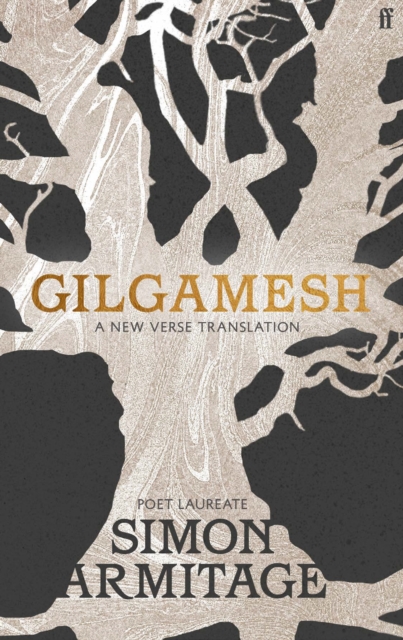
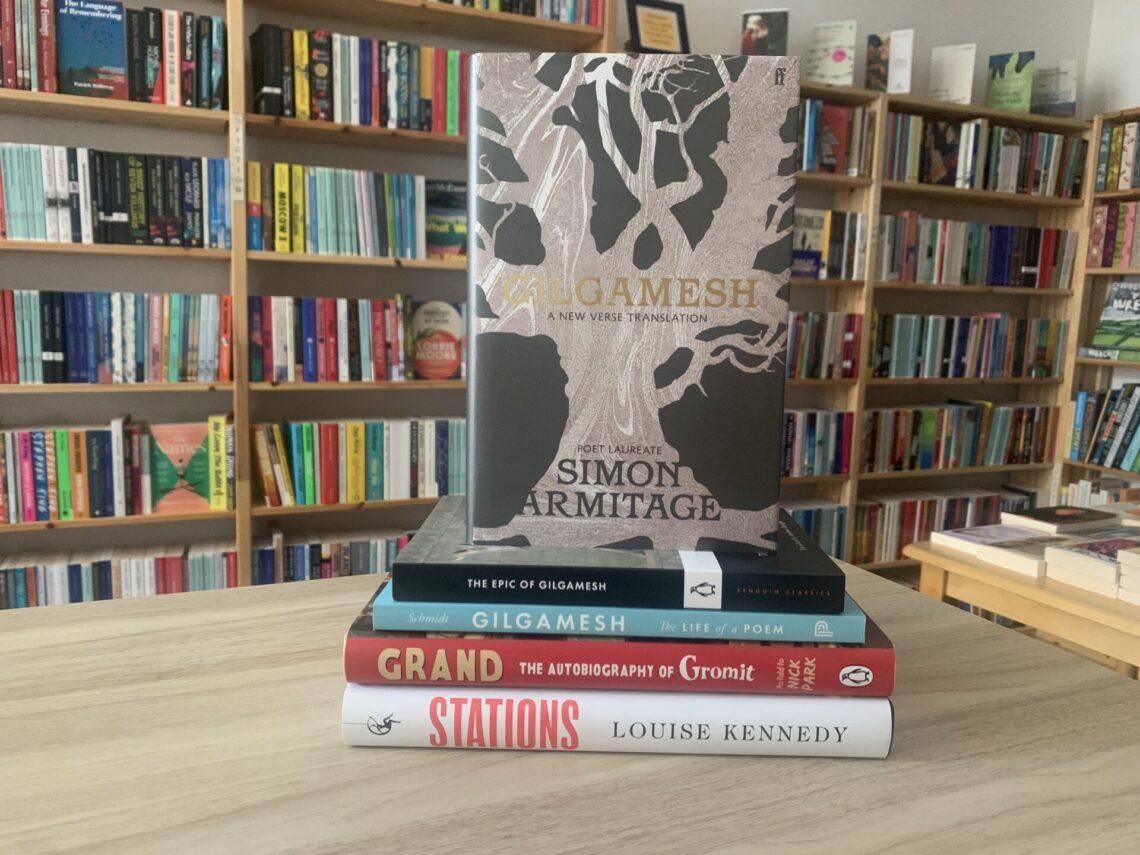
Don’t panic, this isn’t about artificial intelligence. That’s Gilgamesh stirring Enkidu to go on a murderous quest with him in Simon Armitage’s new rendition. I started to write, ‘new rendition of the epic poem,’ but enclosing it in the epic genre and even its status as a poem have been in question in the decades of scholarship on Gilgamesh. By the second page of Armitage’s introduction, he has already asserted as fact claims regarding the historical existence of a king called Gilgamesh and the age and composition of the poem which are in dispute. Hey, I thought, this is going to be fun.
Armitage’s version is splendid. It will entice readers without shying away from the ‘otherness’ of the story, without trying to make it somehow applicable to today’s mores. It is appropriately silly when Gilgamesh abruptly insists they kill Humbaba, who seems to be guilty of nothing worse than protecting a forest, it is moving when (spoiler alert, but the story has been around for millennia) Enkidu dies and Gilgamesh mourns the loss of his dearest love and of his own ignorance of death and it is funny, with great comic timing in rendering the poem’s repetitions and speeches, the insults in particular.
I thoroughly enjoyed Armitage’s Gilgamesh, the introduction and notes as well as the presentation (including the missing sections and switches into prose) and adaptation of the poem itself. But let us scratch the word ‘translation’ from its subtitle. A translation from what? Armitage doesn’t read Akkadian, any more than I do. His poem is a brilliant achievement, indebted to the translation and expertise of Jacob L. Dahl, as Armitage explicates, and to the work of scholars, excavators, archivists and writers, pulled together with the ear of a poet, the interest in his audience and all the energy and excitement which Gilgamesh deserves, being as it is a multitude of poems, still in discovery, still in motion, a jigsaw and a treasure hunt.
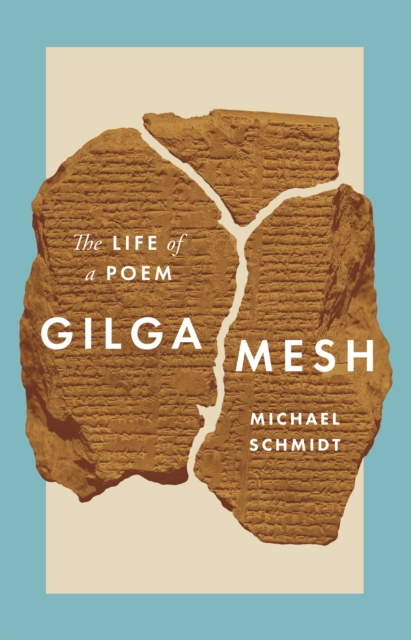
With huge thanks to the gentleman who recommended it, I have read Michael Schmidt’s Gilgamesh: The Life of a Poem, which does a remarkable job of engaging with some of these thorny issues of translation, of working with fragmentary material, of considering the anachronisms we bring to reading ancient works and the fascination offered by a story of love (and many kinds of love are here examined) and friendship. Schmidt’s erudite engagement with the life of the poem is as good on its history as on its possible future.
Thanks to him, I too now worship at the altar of Assyriologist Andrew George, whose translation results from a life’s dedication to the study of Gilgamesh and, while this magisterial edition will take some beating, it is his own hand which may deliver the blow. This is not his final word: new understanding and new discoveries may well lead to an updated translation from him. Clay tablets are looking rather better at preserving the life of a text than cloud back-ups.
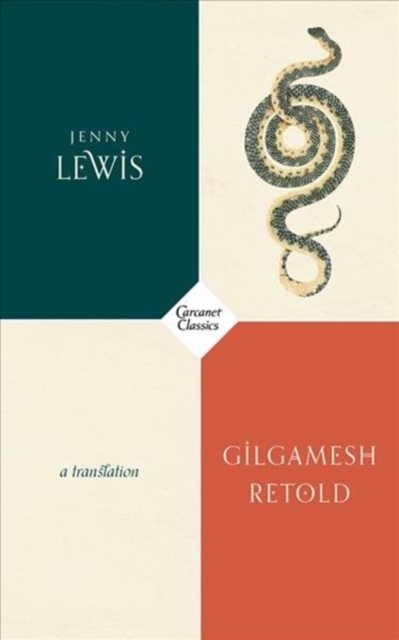
I’m looking forward to reading Jenny Lewis’ Gilgamesh Retold next. Lest you think this is one of those ancient poems which is all about men fighting, breathing heavily, men making speeches, breathing heavily, men travelling across vast plains, breathing heavily etc… women breathe heavily too. Lewis’ imagining leans into her research on the role of women in Sumerian society. There is an enjoyable note from Lewis here about recording a reading of the poem. As an actor with experience in lion taming, she thought she was prepared for this undertaking…
Why do multiple renderings of and books about the poem hold such fascination? Gilgamesh has it all: facial hair, weird dreams, beer, sex, maths – it’s obsessed with dimensions – extreme hikes, bull’s testicles (or innards, depending on the translation) and great invective. Imagine asking a guy out and being told by him that you are, ‘a waterskin that dribbles all over its owner.’ Imagine being cursed by a former lover, ‘may a lady of standing bring a claim against you… may an owl roost in the room where you sleep.’ Harsh. It’s got scorpion people. It’s got punting. It’s got nose maggots. (OK, one maggot but mentioned three times.) Add in a quest for immortality and the realisation that immortality would be rubbish and I reckon fans of everything from The Hitchhiker’s Guide to the Galaxy to Lonesome Dove to Wuthering Heights will find much to enjoy.
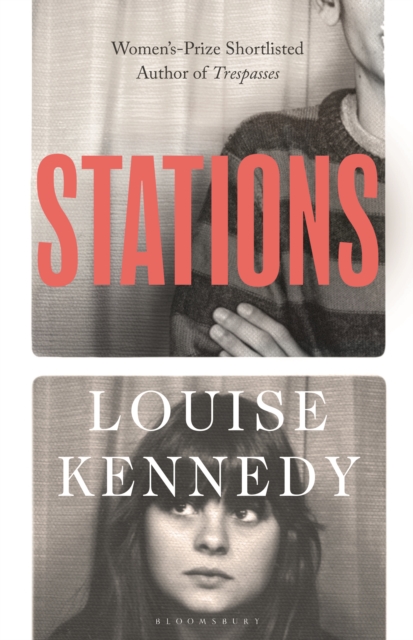
Simon Armitage, well-read customers and Melvyn Bragg have a lot to answer for because this newsletter was supposed to be about Stations by Louise Kennedy and, thanks to these folks, I wrote about maggots instead. Can I do both? Let’s see. The story of a deep, potentially romantic, friendship and what it can withstand as a character ages, errs and pursues something in vain. From ancient Mesopotamia to 1980s Ireland in one Gilgamesh-sized step. It is hard not to imbue even the oddest of ancient works with something of human experience…
Stations is a beautiful novel. Róisín meets Red when a school bully forces her to be their go-between. Red comes home with her and finds a safety at the kitchen table with Róisín and her mother not offered in his own home. The story moves between Ireland and London, the friends coming together and parting over the years, Red’s energy ever present long after he seems to have left the pages. It is exquisitely written, highly scented, infused with the smell of smoky pubs and damp clothes, heart-rending and heart-warming.
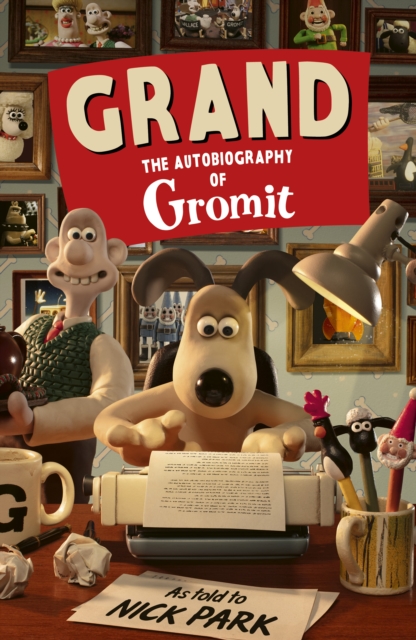
In case you are between Gilgamesh versions and would like a paean to another hero (historical? Mythical? Who’s to say?), the best friend anyone could hope for, who lives forever through the delight of his audience, I must inform you that Grand: The Autobiography of Gromit, as told to Nick Park has just been published. Need I say more? It’s cracking.
May your weekend be grand,
Lizzie
Featured in the newsletter
-

Gilgamesh
£14.99 -

Gilgamesh Retold
£12.99 -

Gilgamesh: The Life of a Poem
£13.99 -

The Epic of Gilgamesh
£9.99 -

Stations
£20.00 -
Grand: The Autobiography of Gromit
£22.00